Mudarse de Estados Unidos a Costa Rica: Lista de verificación para compradores de propiedades
Moving from the USA to Costa Rica involves more than finding a home near the beach. American buyers need to understand a different property registration system, plan how to move funds internationally, establish the legal status of the home and consider what happens after the purchase is completed.
For many buyers, the appeal is straightforward. Costa Rica offers established coastal communities, tropical scenery and a lifestyle that can feel very different from daily life in the United States. But a property that works for a two-week holiday may not be suitable for year-round living.
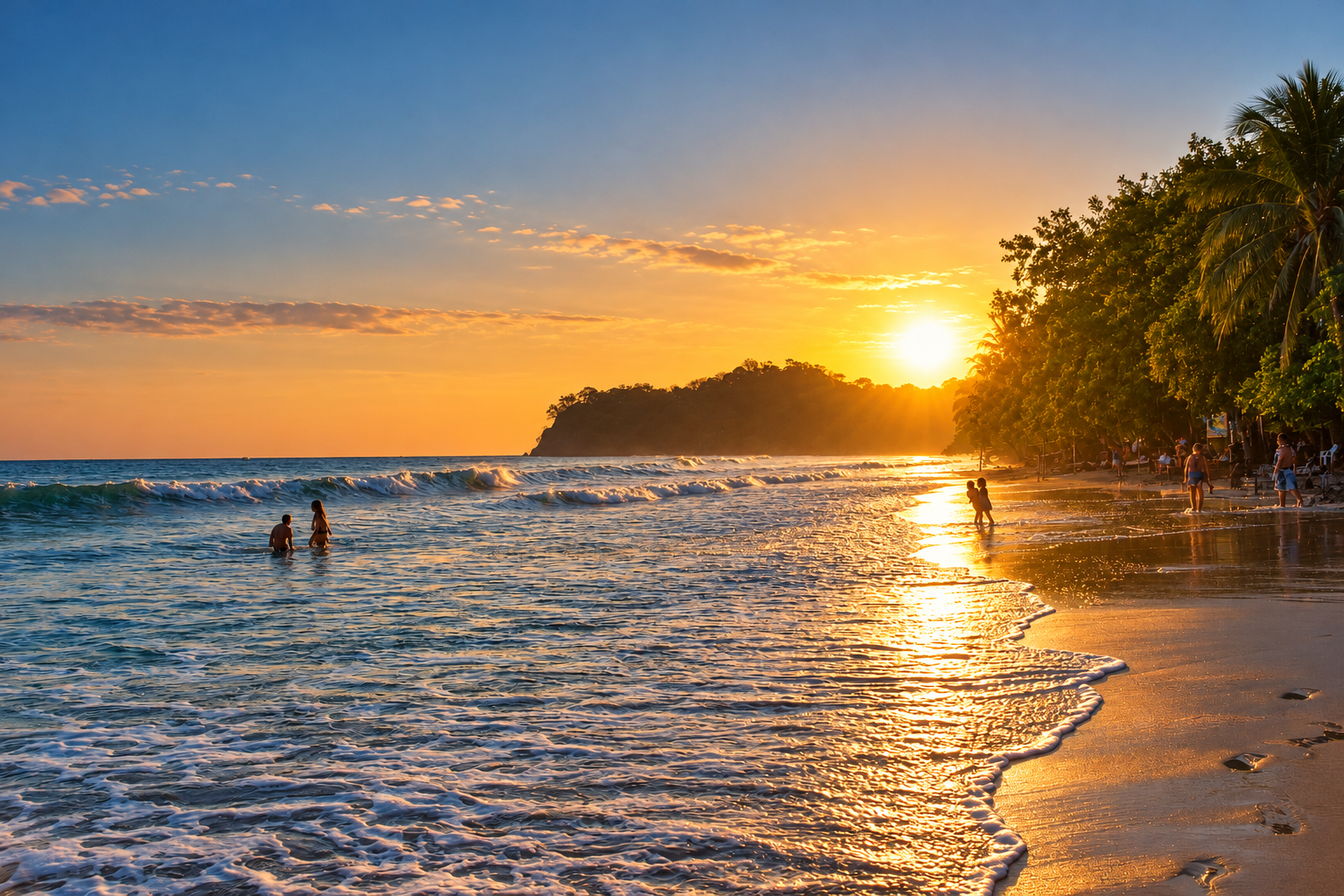
Sámara and nearby Playa Carrillo, on the Nicoya Peninsula in Guanacaste, are two areas worth exploring. Sámara provides access to restaurants, shops and an established residential community, while Playa Carrillo offers a quieter coastal setting.
This guide provides a practical property buyer's checklist for Americans moving to Costa Rica in 2026, covering ownership rights, due diligence, financing, closing costs, US tax considerations and the steps needed to settle into your new home.
1. Choose the Right Part of Costa Rica for Your Lifestyle
Before reviewing property listings, consider how you intend to spend your time in Costa Rica. Retiring full-time, moving with children, working remotely and dividing the year between two countries can create different housing requirements.
The Central Valley offers a different experience from the Pacific coast. Buyers considering Guanacaste should think carefully about climate, access to healthcare, everyday amenities, transport and property maintenance.
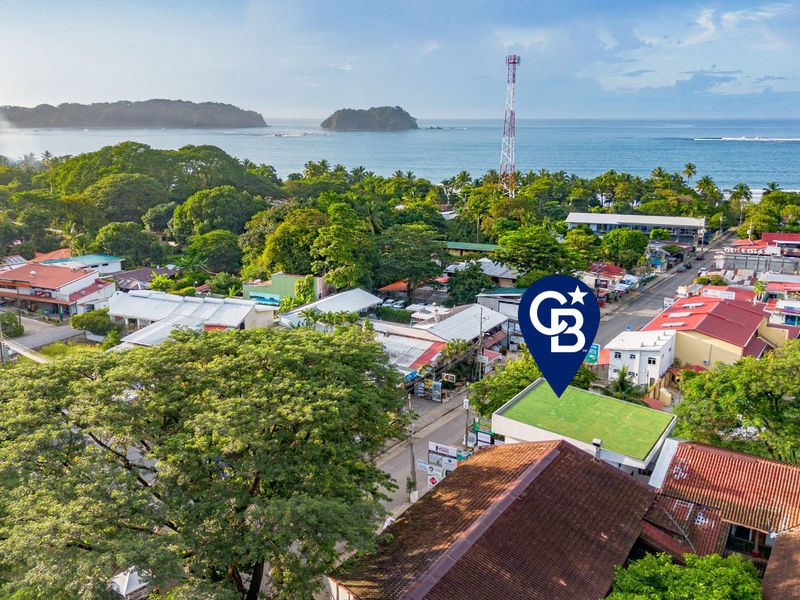
In Sámara, walkability can be a major consideration. A home close to the town centre may allow residents to reach shops, cafés and the beach without driving for every journey. Properties further inland may offer more land or privacy but require a vehicle.
Playa Carrillo has a quieter atmosphere, with a palm-lined beach and a more residential setting. Whether that is preferable depends on how close you want to be to restaurants, schools, services and other daily activities.
If possible, spend time in the area before purchasing. Visit the neighbourhood during different parts of the day and ask how access, roads and utilities are affected during the rainy season.
2. Understand Property Ownership Rights for US Citizens
American citizens can generally purchase titled property in Costa Rica without first obtaining residency. Most residential real estate can be held directly in an individual's name or through an appropriate legal entity.
However, not all properties follow the same rules. Coastal concession land is subject to restrictions that do not apply to ordinary titled property.
Under Costa Rica's Maritime Terrestrial Zone framework, the first 200 metres inland from the ordinary high-tide line are generally subject to special regulation. The initial 50 metres form the public zone, while the following 150 metres may be subject to concession arrangements, with exceptions and eligibility restrictions.
Foreign individuals and certain foreign-controlled entities face restrictions when acquiring concession rights. A beachfront listing should therefore be examined carefully by a Costa Rican lawyer before any payment is made.
For additional guidance on international ownership, see Coldwell Banker Sámara's guide to buying Costa Rican property as an American.
3. Decide How You Will Hold the Property
US buyers may consider purchasing in their own name, through a Costa Rican company or through another legal structure recommended by their advisers.
An individual purchase may involve fewer ongoing administrative obligations. Company ownership can offer a different framework for management and succession, but it may also require additional reporting, annual taxes and professional services.
| Ownership Method | Considerations |
|---|---|
| Personal ownership | Simpler administration for some buyers; consider liability, inheritance and tax treatment |
| Costa Rican company | Separate legal entity, with ongoing corporate, transparency and tax obligations |
| Trust arrangement | Potential estate-planning use, but requires specialist legal and cross-border tax advice |
No structure automatically eliminates transfer taxes, US reporting requirements or liability. Discuss the options with an independent Costa Rican lawyer and a US tax professional familiar with foreign assets before signing.
4. Appoint an Independent Costa Rican Property Lawyer
One of the most important steps in moving from the USA to Costa Rica is engaging a qualified local lawyer to carry out legal due diligence.
Costa Rica uses the Registro Nacional, or National Registry, to maintain records of registered real estate interests. Your lawyer should verify the registered owner, review encumbrances, establish legal access and compare the property's documentation with the physical site.
Each registered parcel has identifying information, including its folio real number. The property survey plan, known as the plano catastrado, should be checked against the relevant land and registry records.
Documents and Records to Request
- National Registry ownership and encumbrance records.
- The registered cadastral survey plan.
- Evidence of legal road access or registered easements.
- Municipal property tax status.
- Construction permits and land-use permissions where applicable.
- Confirmation of lawful water and electricity arrangements.
- Condominium regulations if the property belongs to a managed community.
If you are buying an undeveloped plot, also confirm whether the intended use is permitted and whether water availability has been established. A property with attractive views is not necessarily suitable for residential construction.
5. Establish a Complete Budget Before Making an Offer
The asking price is only part of the total financial commitment. Buyers should budget for legal services, notarial work, transfer tax, registration costs, surveys, inspections and any finance-related expenses.
Costa Rica generally applies a 1.5% real estate transfer tax, with additional registration and legal expenses depending on the transaction. The allocation of costs between buyer and seller should be clarified in the agreement, and the lawyer should verify the appropriate tax base and any special treatment.
For example, a property advertised at $350,000 should not be treated as a total $350,000 commitment. Request a written closing-cost estimate and include a reserve for repairs, furnishings, moving costs and the first year of ownership.
Financing a Property Purchase from the United States
Some Americans purchase with funds already available, while others investigate financing through Costa Rican lenders, US borrowing arrangements or seller financing.
Mortgage eligibility, deposits, loan periods and interest rates depend on the lender and borrower. Non-resident buyers may face additional documentation requirements, so it is sensible to establish financing before making an offer dependent on borrowing.
For international transfers, ask the receiving institution and closing professionals about identification, source-of-funds records, transfer instructions and banking charges. Independently verify payment details before transferring large amounts.

6. Compare Properties in Sámara and Nearby Communities
Coldwell Banker Sámara markets houses, condominiums, land and investment properties in and around Sámara, Playa Carrillo and other parts of Guanacaste.
For a full-time relocation, consider how much maintenance you want to manage. A condominium may include shared upkeep but involve recurring community fees and regulations. A detached house may offer greater privacy but place more responsibility on the owner.
Some buyers prefer a property with additional accommodation for guests or potential rentals. Others may prioritise single-level access, proximity to amenities or sufficient space for working from home.
Review the current Coldwell Banker Sámara property listings to compare available homes, layouts, locations and advertised prices. Confirm availability and details directly with the agency before making any decisions.

7. Understand the Purchase Agreement and Closing Process
After selecting a property, the buyer and seller may enter into a preliminary agreement setting out the agreed price, deposit, due diligence period and conditions for closing.
The document should explain what happens if a title issue, serious building defect or other condition prevents the purchase from proceeding. Deposit handling should be agreed in writing, using a suitable professionally administered arrangement.
At closing, a Costa Rican notary prepares or authorises the relevant public deed for transfer and submission to the National Registry. Your independent lawyer should explain how the funds, deed execution and registration are coordinated.
A typical transaction may take several weeks or longer, with additional time required for complicated ownership issues, financing or missing documentation. Avoid relying on a fixed 90-day or 120-day promise without confirmation from the professionals handling the specific property.
8. Understand Your US and Costa Rican Tax Responsibilities
US citizens generally remain subject to US tax rules on worldwide income, even after moving abroad. Purchasing real estate in Costa Rica does not automatically remove US filing obligations.
However, direct ownership of foreign real estate does not itself mean the property must be reported on an FBAR or Form 8938. These forms concern particular foreign financial accounts and specified financial assets, with different thresholds and reporting rules.
If you maintain qualifying foreign bank accounts or acquire a property through a foreign company or trust, additional US reporting obligations may apply. Rental earnings and gains from a property sale may also create tax consequences.
In Costa Rica, municipal property tax is generally assessed at 0.25% of the registered municipal property value, with additional rules potentially relevant to higher-value residential properties, rental income and company ownership.
Before choosing an ownership structure or renting out your new home, consult advisers who understand both Costa Rican tax law and US international reporting requirements.
9. Separate Property Ownership from Immigration Residency
Buying a home in Costa Rica and obtaining legal residency are separate processes. An American can generally purchase titled property without having Costa Rican residency, but ownership alone does not automatically provide the right to remain indefinitely or work locally.
Potential residency routes may include pensionado, rentista or investor categories, depending on the applicant's circumstances and current immigration requirements. The financial criteria, documents and permissions can change.
If your plans involve permanent relocation rather than occasional visits, discuss your situation with a qualified immigration professional before relying on a particular residency option.
10. Prepare the Home for Daily Life After Closing
The work does not end once you have completed the purchase. Moving into a home in Costa Rica requires practical arrangements that are easy to overlook during the excitement of finding the right property.
Confirm the procedure for transferring or updating electricity and water accounts. The relevant provider may depend on the property's location, including local water associations known as ASADAs.
Arrange insurance, internet service and a reliable means of paying municipal charges. Ask whether maintenance, pool cleaning, gardening and security are managed privately or included in a community agreement.
For homes that will remain unoccupied during part of the year, consider a local property manager who can conduct inspections, coordinate repairs and respond to unexpected problems.

Your USA-to-Costa Rica Property Buying Checklist
Use the following checklist to keep your relocation and property purchase organised.
- Identify the neighbourhood and property type that match your everyday needs.
- Establish a full budget, including closing and moving expenses.
- Choose a local property agency and independent Costa Rican lawyer.
- Confirm whether the property has ordinary registered title or a coastal concession interest.
- Check ownership, the cadastral plan, access, utilities and relevant permissions.
- Compare ownership structures with legal and cross-border tax advisers.
- Arrange financing and document international transfers.
- Review deposit conditions, closing costs and contractual deadlines.
- Complete the notarised transfer and confirm National Registry registration.
- Arrange utilities, insurance, local services and property management where needed.
- Review US tax reporting and Costa Rican tax responsibilities.
- Investigate suitable immigration routes if moving permanently.
Frequently Asked Questions
Can Americans buy property in Costa Rica without residency?
Yes. US citizens can generally purchase titled residential property in Costa Rica without being residents. Coastal concession land is subject to different legal restrictions and should be reviewed by an independent lawyer.
How long does it take to buy a house in Costa Rica?
The transaction timeline depends on the property's records, financing, due diligence and parties involved. Some purchases can proceed relatively quickly, while title concerns, concession issues or incomplete documents can cause delays.
Do I need a Costa Rican lawyer to buy property?
Independent Costa Rican legal representation is strongly recommended. A local notary handles the relevant public deed, while your lawyer should investigate ownership, liens, access, survey records and legal compliance before you commit funds.
Do I have to report my Costa Rican house to the IRS?
Directly owned foreign real estate does not, by itself, trigger FBAR or Form 8938 reporting. However, foreign financial accounts, companies, trusts, rental income and taxable gains can create separate reporting requirements.
Can I use a US mortgage to purchase a home in Costa Rica?
Financing arrangements vary. Buyers sometimes use cash, US home-equity borrowing, seller financing or qualifying Costa Rican mortgages. Terms and eligibility depend on the lender and individual financial circumstances.
Does buying property give me Costa Rican residency?
No. A property purchase does not automatically grant residency. Depending on your circumstances, an immigration professional can explain whether a retirement, income-based or investor route may be appropriate.
Is Sámara a good place for Americans relocating to Costa Rica?
Sámara may appeal to buyers seeking a coastal town with nearby amenities, community activities and a range of residential properties. Its suitability depends on personal priorities, budget, healthcare requirements, travel needs and preference for town or rural living.
Start Your Costa Rica Property Search with Coldwell Banker Sámara
Moving from the USA to Costa Rica is a significant decision, and purchasing the right property requires careful planning. Understanding the legal process, making realistic financial arrangements and choosing a location suited to everyday life are essential foundations for a successful move.
Coldwell Banker Sámara assists buyers exploring homes, condominiums, land and investment opportunities in Sámara and surrounding communities.
Explore properties for sale in Costa Rica, learn more about daily life in Sámara, or read the agency's Costa Rica property buying process guide for additional background.
For help finding a property that matches your budget and relocation plans, contact the Coldwell Banker Sámara team, telephone +506 2656 0856, or email info@coldwellbankersamara.com.
This article provides general information, not individual legal, immigration, financial or tax advice. Requirements can change. Confirm current rules with qualified Costa Rican and US advisers before committing to a property purchase.