Can Americans Buy Property in Costa Rica? Everything US Buyers Need to Know
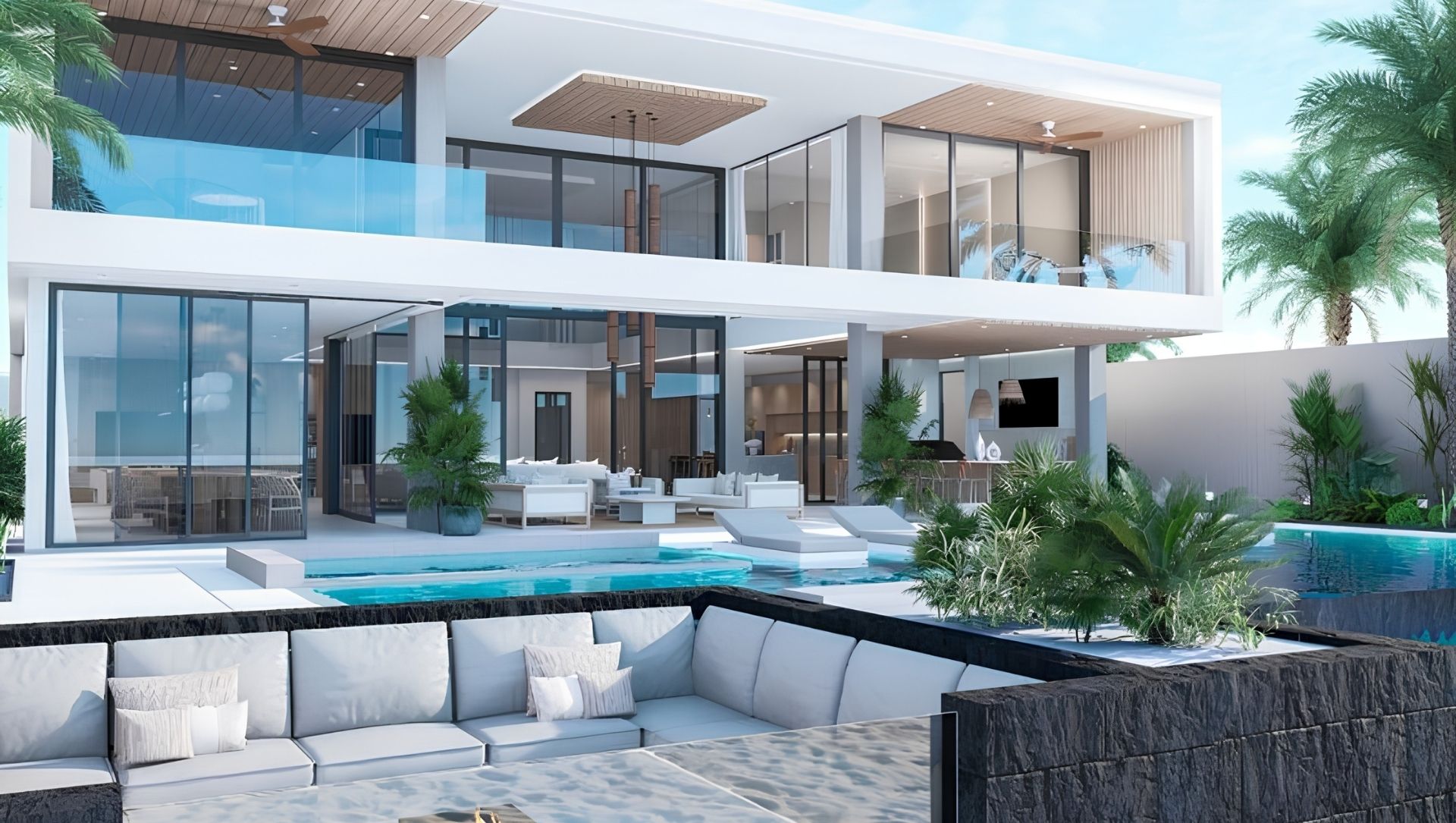
You have found a beautiful home near the beach in Costa Rica. The price looks attractive, the lifestyle feels right, and you can already picture yourself waking up in Guanacaste.
Then the questions begin.
Can an American legally own property in Costa Rica? Is the title really secure? What is a maritime zone concession? Could you lose your investment because you misunderstood Costa Rican property law? How much will closing actually cost? Should you buy personally or through a Costa Rican corporation?
These concerns are reasonable. Buying property in another country requires more than finding the right house. You need to understand how ownership works, what must be verified before closing, and which local issues can affect the property years after you purchase it.
The good news is that Americans can generally purchase and own titled real estate in Costa Rica without becoming citizens or residents.
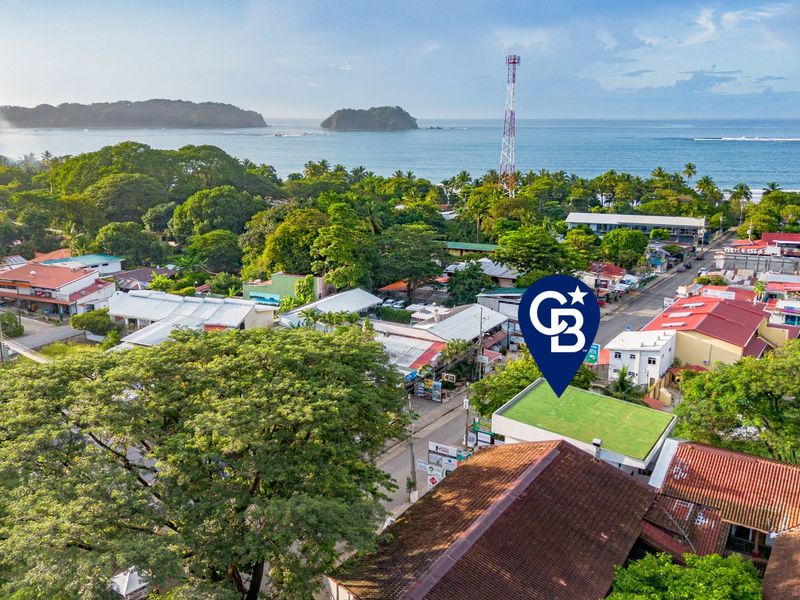
For buyers considering Sámara, Playa Carrillo, and the surrounding Guanacaste communities, local knowledge becomes particularly important. Properties close to the coast can involve questions about title, maritime zone regulations, water availability, access, development restrictions, and permitted land use that may not be obvious from an online listing.
Coldwell Banker Samara has more than a decade of experience in the Sámara real estate market, and its agents live and work in the community. Buyers can therefore combine professional legal representation with real estate guidance from a team familiar with the local market.
This guide explains what American buyers should know before purchasing property in Costa Rica.
Can Americans Legally Own Property in Costa Rica?
Yes.
In most situations, American buyers can own titled Costa Rican real estate in their own names. Foreign buyers generally do not need Costa Rican citizenship or permanent residency simply to purchase titled property.
An American buyer can purchase:
- Houses
- Condominiums
- Titled land
- Vacation homes
- Rental properties
- Farms
- Development land
- Commercial properties
The most important question is usually not whether you are American.
The more important question is what legal rights are attached to the particular property you are considering.
That distinction becomes especially important near Costa Rica's coastline.

The Biggest Coastal Question: Titled Property or Maritime Zone Property?
If you are considering property near the beach, one of the first questions to ask is whether the property has conventional registered title or is affected by Costa Rica's Maritime Zone Law.
Costa Rica's Maritime Zone Law, Law No. 6043, creates a special legal framework for much of the country's coastline.
The maritime zone generally extends 200 metres inland from the ordinary high tide line.
The first 50 metres form the public zone.
The following 150 metres form the restricted zone, where eligible property rights can generally involve municipal concessions rather than ordinary private ownership.
This distinction is critical.
Buying a titled property and acquiring rights connected with a concession are not the same transaction.
Before committing to coastal property, your attorney should determine exactly what type of legal interest exists, who holds it, whether it can legally be transferred, what restrictions apply, and whether the property's existing improvements comply with applicable regulations.

Why This Matters Specifically Around Sámara and Guanacaste
This is where local market knowledge becomes valuable.
A buyer searching online may see two properties that both appear to be "near the beach," yet their legal circumstances can be completely different.
One might be titled land in the hills with ocean views.
Another might be a property closer to the shoreline where additional maritime zone questions must be investigated.
A third could be titled property within walking distance of the beach.
That is why buyers should never make assumptions based only on phrases such as "beachfront," "oceanfront," "walk to beach," or "ocean view."
Coldwell Banker Samara's current inventory demonstrates how varied the local market can be.
For example, buyers interested in land near Playa Carrillo can currently explore the agency's Playa Carrillo land listings.
One current example is a 2,000 square metre lot priced at $150,000. The listing describes mountain and partial ocean views, ASADA water service, electricity, fibre optic internet, and a location approximately five minutes by car from Playa Carrillo.
Buyers can review the Carrillo Mountain Sunset View Lot directly.
The lesson is simple.
If your goal is to live close to the ocean, you do not necessarily have to assume that your only option is a complicated coastal concession. Depending on your budget and lifestyle priorities, titled homes or land farther inland may provide beach access, views, utilities, and simpler ownership considerations.
Your attorney should verify the legal status of any individual property before purchase.
Understanding Maritime Zone Concessions
A maritime zone concession should not be treated as equivalent to conventional registered title.
When evaluating a concession property, your attorney should review issues including:
- The concession holder
- The concession term
- Transfer requirements
- Municipal approvals
- Permitted use
- Applicable zoning
- Construction permissions
- Outstanding concession fees
- Renewal conditions
- Restrictions affecting foreign ownership or control
- Existing structures and their permits
This is not a reason to automatically reject every concession opportunity.
It is a reason to understand exactly what you are acquiring.
The Costa Rican Tourism Institute maintains official resources relating to Law No. 6043, concession applications, coastal regulatory plans, and maritime zone administration.
For a US buyer, the practical rule is straightforward:
Never assume that a beautiful beachfront building means you are purchasing conventional privately titled beachfront land.
Verify first.
Sámara, Playa Carrillo, and the Value of Looking Beyond the Sand
Some buyers initially arrive in Guanacaste convinced they must own directly on the beach.
After exploring the area, their priorities often become more specific.
They may discover that what they really want is:
- A five minute drive to the beach
- An ocean view
- More land
- Greater privacy
- Easier vehicle access
- Reliable water
- Space for a pool
- Rental potential
- A quieter residential setting
- Conventional registered title
Sámara and its surrounding communities give buyers multiple ways to achieve those goals.
Coldwell Banker Samara currently maintains a dedicated Sámara property search covering homes, condos, land, development opportunities, and other properties.
Buyers comparing Sámara with nearby Playa Carrillo can also read the agency's Playa Carrillo versus Sámara guide.
For a more detailed breakdown of individual areas, see the Sámara Neighborhood Guide 2026.
These differences matter because buying the right property starts with choosing the right location, not simply choosing the closest property to the water.

What Is Available in Sámara in 2026?
The local market contains properties at significantly different price points.
Current Coldwell Banker Samara listings include land, condominiums, houses, development properties, hospitality businesses, ocean view homes, and luxury estates.
Recent Sámara inventory includes examples such as:
- An ocean view two bedroom condominium listed at $335,000
- A private three bedroom home on a double lot minutes from Sámara Beach listed at $320,000
- Casa Lima, a three bedroom home listed at $550,000
- Villa Terra Verde, a three bedroom home in the hills of Sámara listed at $699,000
- Larger ocean view development opportunities at substantially higher price points
Availability and prices change, so buyers should confirm current status directly through the Coldwell Banker Samara property search.
These examples also demonstrate why "Costa Rica property" is too broad a category for meaningful buying advice.
A $320,000 residence near Sámara Beach presents a completely different purchasing decision from a large development parcel or a multimillion dollar commercial property.
Your intended use should drive the search.
Should You Buy in Your Personal Name or Through a Costa Rican Company?
American buyers commonly ask whether they should hold a property personally or through a Costa Rican legal entity.
There is no universal answer.
The appropriate structure depends on your intended use, estate planning, liability considerations, tax position, financing, and professional advice.
Direct Personal Ownership
With direct ownership, the registered property is placed in your personal name.
This can be attractive when you want:
- A straightforward ownership structure
- A primary or second residence
- Fewer corporate administration requirements
- Simpler ongoing management
For many buyers purchasing one residence for personal use, direct ownership may be worth discussing with their attorney.
Corporate Ownership
A Costa Rican corporation can also hold real estate.
This structure may be considered when a buyer wants a legal entity for business, investment, succession, liability, or administrative purposes.
However, a corporation creates additional obligations and costs.
Do not create an S.A. or another entity simply because someone says that "foreigners always buy through corporations."
Ask your Costa Rican attorney and tax advisers whether the structure creates a genuine benefit for your particular circumstances.
Questions to Ask Before Choosing
Ask your professional advisers:
- What is the simplest legal structure for my intended use?
- What are the initial legal costs?
- What annual corporate obligations will apply?
- How does the structure affect succession?
- Are there US reporting consequences?
- Will the property generate rental income?
- What liability issues should I consider?
- What happens when I eventually sell?
The cheapest structure today is not necessarily the best structure ten years from now.
What Does Buying Property in Costa Rica Actually Cost?
The purchase price is only one part of your budget.
A buyer also needs to plan for legal expenses, registration costs, taxes, due diligence, surveys where required, corporate costs if an entity is used, and other transaction specific expenses.
Your attorney or closing professional should provide a written estimate based on the actual transaction.
Do not rely solely on a generic online percentage.
The original article correctly identified transfer tax as an important transaction cost and used a 1.5 percent figure in its examples. Before closing, have your attorney confirm the tax calculation and taxable value applicable to your specific transaction.
Additional professional expenses can include:
- Attorney fees
- Notarial services
- Registry expenses
- Surveying
- Corporate formation if required
- Escrow expenses
- Property inspection
- Specialist inspections
- Accounting advice
- US tax advice
A serious buyer should request a complete closing estimate before the due diligence period expires.
Property Taxes in Costa Rica
Costa Rica's general real property tax rate is 0.25 percent of the taxable value registered with the applicable municipal tax administration.
That rate is established nationally under Costa Rica's real property tax framework.
For a property with a taxable municipal value equivalent to $300,000, a simple illustration at 0.25 percent would equal approximately $750 annually.
The actual amount depends on the registered taxable value and any other taxes or assessments that may apply.
Buyers should verify:
- Current municipal value
- Outstanding property taxes
- Payment status
- Whether the declared value is current
- Any other property related municipal obligations
- Whether additional taxes apply to higher value residential property
For property in the Sámara area, your attorney should confirm the property's municipal status with the relevant authorities before closing.

Due Diligence Is Where a Safe Purchase Is Made
The most important part of buying Costa Rican real estate happens before money changes hands.
A beautiful view does not establish clean title.
A swimming pool does not prove that construction permits are in order.
A road beside the property does not automatically prove registered legal access.
A water tap does not prove that the property has legally documented water availability.
Before closing, your independent attorney and appropriate technical professionals should investigate the property.
1. Verify Ownership and Registry Information
Your attorney should confirm that the seller has the legal authority to transfer the property.
The registry investigation should identify matters such as:
- Registered owner
- Property identification
- Liens
- Mortgages
- Easements
- Restrictions
- Annotations
- Encumbrances
- Recorded boundaries
- Corporate ownership where applicable
The name on a sales brochure is not enough.
Legal ownership must match the official records.
2. Confirm the Survey and Physical Boundaries
Boundary problems can become extremely expensive after closing.
The registered survey should be compared with the property being sold.
For land, rural property, larger parcels, and properties with unusual boundaries, buyers may want a surveyor to confirm physical boundaries on site.
Check whether:
- Fences match legal boundaries
- Buildings cross boundary lines
- Neighbours are using part of the land
- Access roads are legally registered
- The property corresponds to its registered survey
Never assume that an existing fence represents the official property line.
3. Verify Legal Access
A property can look perfectly accessible while still having a legal access problem.
This is particularly important with rural and hillside properties.
Your attorney should confirm whether access is through:
- A public road
- A registered easement
- Private access
- Another legally recognised arrangement
If the only way to reach your future house is across someone else's property, you need to know exactly what legal right protects that access.
4. Verify Water Before Buying Land
Water is one of the most important due diligence issues for buyers planning to build.
Do not assume that because neighbouring houses have water, your parcel automatically has the same right or availability.
Confirm:
- Water provider
- Availability letter where applicable
- Existing meter
- Well status if applicable
- Permits
- Capacity
- Dry season reliability
- Whether water service supports your development plans
This is particularly important when purchasing undeveloped land.
The active Carrillo land example mentioned earlier specifically advertises ASADA water service, electricity, and fibre optic internet. Those are precisely the types of infrastructure details buyers should investigate and independently confirm before closing.
5. Check Building Permits and Existing Improvements
If you are buying a completed home, your due diligence should extend beyond title.
Ask whether:
- Construction was properly permitted
- Additions were approved
- The swimming pool is documented
- Electrical work complies with applicable requirements
- Septic facilities are adequate
- The physical construction corresponds with registered information where required
An attractive renovation can become a liability if it was completed without necessary approvals.
6. Understand Environmental and Development Restrictions
Costa Rica protects environmentally sensitive areas.
A large parcel does not necessarily mean every square metre can be developed.
Wetlands, waterways, forest protection rules, setbacks, slopes, zoning, maritime zone regulations, and other restrictions can affect what can legally be built.
If you plan to develop land, make your intended use clear before you buy.
Do not purchase first and ask whether your project is permitted afterward.
7. Review Condominium and Community Rules
If you are purchasing a condominium or property within a managed development, request the governing documents before closing.
Review:
- Monthly fees
- Reserve funds
- Special assessments
- Rental restrictions
- Pet rules
- Construction rules
- Parking
- Common area obligations
- Short term rental restrictions
- Management arrangements
A condominium that works perfectly as a vacation home may not work for an investor planning frequent short term rentals.
Buying a Rental Property in Sámara
Sámara attracts buyers interested in both lifestyle and rental income.
Before buying an investment property, consider the actual operating model.
Ask:
- Who will manage the property?
- What management fee will apply?
- Who handles guest communication?
- What are cleaning costs?
- What is the realistic occupancy?
- Is short term rental use permitted?
- How will maintenance be handled while you are in the United States?
- What insurance is appropriate?
- How will Costa Rican rental income be taxed?
- What US reporting obligations apply?
Do not base a purchase solely on a seller's projected rental income.
Request evidence and build your own conservative financial model.
Financing a Costa Rica Property
Cash remains common in Costa Rican real estate transactions involving international buyers.
Local financing may be available in certain circumstances, but American buyers should not assume they will receive US style mortgage terms.
If financing is important, investigate it before making an offer that depends on borrowed funds.
Possible funding strategies can include:
- Cash
- Costa Rican bank financing
- Seller financing where offered
- Private financing
- Equity from US assets
- Other financing arranged with professional advice
Coldwell Banker Samara's current property search also identifies some listings where owner financing is available.
Availability and terms vary by property and seller.
Never assume owner financing applies unless it is expressly confirmed for the property you are considering.
The Costa Rica Property Purchase Process
Although individual transactions vary, a purchase commonly follows several broad stages.
Step 1: Define Your Property Criteria
Before touring homes, decide what matters most.
Consider:
- Budget
- Distance from beach
- Ocean view
- Titled property preference
- Home versus land
- Rental income goals
- Number of bedrooms
- Pool
- Walkability
- Privacy
- Access
- Utilities
- Development potential
This prevents buyers from spending their entire trip viewing attractive properties that do not solve their actual needs.
Step 2: Explore the Local Market
Study available inventory before arriving.
Start with Sámara and Guanacaste properties for sale.
If you prefer a quieter coastal environment, compare the dedicated Playa Carrillo property inventory.
Step 3: View Properties in Person
Photographs cannot tell you everything.
Visit the property.
Drive the road.
Check the neighbourhood during different times of day.
Listen for noise.
Look at drainage.
Ask about rainy season access.
Understand how far groceries, healthcare, restaurants, schools, and the beach really are.
Step 4: Make an Offer
Once you identify the right property, your real estate professional can help structure and present an offer.
Terms may address:
- Price
- Deposit
- Due diligence
- Closing date
- Included furnishings
- Contingencies
- Financing where applicable
- Other transaction specific conditions
Step 5: Retain Independent Legal Counsel
Your attorney should represent your legal interests.
The real estate professional helps you identify and negotiate the property.
The attorney verifies the legal transaction.
Those are different roles.
Step 6: Complete Due Diligence
This is the point where title, survey, access, taxes, permits, corporate records, concessions where applicable, utilities, and other legal matters should be investigated.
Do not rush this stage because you are emotionally attached to the property.
Step 7: Resolve Problems Before Closing
If due diligence identifies an issue, determine whether it can be corrected.
Depending on the purchase agreement and the issue involved, the transaction may proceed after correction, be renegotiated, or be terminated according to the agreement's terms.
Step 8: Close and Register the Transfer
The closing documentation is executed and the transfer is submitted through the appropriate Costa Rican legal and registration process.
Your attorney should explain when funds are released, when possession transfers, and when registration is completed.
How Long Does the Process Take?
There is no single guaranteed timeline.
A straightforward cash purchase of clean titled property may progress more quickly than a transaction involving financing, corporate structures, concessions, surveys, permit questions, or title corrections.
Rather than choosing a property based on an arbitrary closing deadline, ask your attorney how much time is reasonably necessary to complete proper due diligence.
Fast is useful.
Correct is more important.
Can Buying Property Give You Costa Rican Residency?
Buying a house and obtaining immigration status are separate legal matters.
Do not assume that purchasing any property automatically gives you permanent residency.
Costa Rica has several residency categories, each with its own eligibility requirements and documentation.
If residency is part of your plan, speak with a qualified Costa Rican immigration professional before structuring the purchase.
This is particularly important if you are purchasing partly because you expect the investment to support an immigration application.
US Tax Considerations
Owning property outside the United States does not remove your US tax obligations.
American buyers should discuss their plans with a US tax professional familiar with international property ownership.
This becomes especially important when:
- The property earns rental income
- A Costa Rican corporation owns the property
- You maintain foreign financial accounts
- You sell the property
- You transfer ownership to family members
- The property forms part of your estate plan
Your Costa Rican attorney and US tax adviser should address different sides of the transaction.
Do not assume advice from one country automatically resolves your obligations in the other.
Common Mistakes American Buyers Should Avoid
Falling in Love Before Completing Due Diligence
The view can be spectacular and the legal documents can still contain problems.
Treat the property and its legal status as two separate things that both need to satisfy you.
Assuming Beachfront Means Titled Beachfront
Always determine whether maritime zone rules apply.
Assuming Utilities Are Guaranteed
Verify water, electricity, internet, road access, and septic arrangements.
Using Only the Seller's Professionals
Obtain independent legal representation that protects your interests.
Buying Land Without Confirming Buildability
A low price per square metre means little if your intended project cannot legally be built.
Ignoring Rainy Season Conditions
Roads, drainage, slopes, rivers, and access can look completely different after sustained rain.
Choosing a Corporate Structure Without Professional Advice
A corporation can be useful, but unnecessary complexity creates additional cost and administration.
Focusing Only on Purchase Price
Budget for closing, taxes, insurance, repairs, furnishing, maintenance, property management, landscaping, security, utilities, and travel.
Why Local Sámara Expertise Matters
Costa Rican property law is national, but real estate decisions are intensely local.
Understanding Sámara requires more than knowing the general rules for foreign ownership.
A local professional should understand the difference between living in central Sámara, choosing the hills around town, purchasing near Buena Vista, moving toward Playa Carrillo, or considering more rural land.
Coldwell Banker Samara states that its team has more than a decade of experience in the Sámara market and that its agents live in the community.
That local presence matters because buyers are not simply purchasing square metres.
They are choosing access, infrastructure, neighbourhood character, terrain, rental potential, convenience, and lifestyle.
You can begin comparing locations through the 2026 Sámara Neighborhood Guide.

Sámara or Playa Carrillo?
Both areas appeal to international buyers, but they offer different experiences.
Sámara provides a more active town environment with restaurants, shops, services, and a broad range of real estate options.
Playa Carrillo sits only a few kilometres south and is known for its quieter atmosphere and less developed beachfront environment.
Coldwell Banker Samara currently lists dozens of properties in Playa Carrillo, ranging from land to houses and high value oceanfront homes.
Browse Playa Carrillo real estate to compare the current market.
For buyers who have not decided between the two communities, the agency's Sámara versus Playa Carrillo comparison provides a useful starting point.
Questions to Ask Before Making an Offer
Take this checklist to your property viewing.
Legal
- Is the property titled?
- Is any portion affected by the maritime zone?
- Who is the registered owner?
- Are there liens or mortgages?
- Are there registered easements?
- Is legal access confirmed?
- Does the survey match the physical property?
Utilities
- What is the water source?
- Is water availability documented?
- Is electricity connected?
- What internet services are available?
- Is the property connected to sewer or septic?
Construction
- Were structures properly permitted?
- Are additions documented?
- Is the pool permitted where required?
- Are there environmental restrictions?
- Can additional construction legally occur?
Financial
- What are annual property taxes?
- Are taxes current?
- Are there HOA fees?
- Are special assessments pending?
- What are expected maintenance costs?
- What insurance is available?
- If it is a rental, what are realistic operating expenses?
Lifestyle
- How long does it actually take to reach the beach?
- What is the road like during rainy season?
- How close are groceries and healthcare?
- Is the neighbourhood quiet at night?
- Is the location suitable for full time living?
- Will you need a four wheel drive vehicle?
These questions transform a property viewing from an emotional decision into an informed investment decision.
Frequently Asked Questions
Can a US citizen buy a house in Costa Rica?
Yes. Americans can generally purchase titled real estate in Costa Rica without becoming Costa Rican citizens or residents.
Special attention is required for property affected by the maritime zone and other legally restricted situations.
Do I need residency before buying?
Generally, no. Property ownership and immigration status are separate issues.
Can Americans own beachfront property?
Some coastal properties have conventional registered title, while others may fall within the maritime zone concession framework.
Never assume the ownership structure from the property's location or marketing description.
Have an attorney verify it.
Should I use a Costa Rican corporation?
Possibly, but not automatically.
Your attorney and tax advisers should determine whether corporate ownership provides a genuine benefit for your situation.
How much is Costa Rica property tax?
Costa Rica's general real property tax rate is 0.25 percent of the taxable value registered with the municipal tax administration.
Additional taxes can apply in certain circumstances, so confirm the complete tax position for the property before closing.
Should I hire an attorney?
Yes.
Independent legal due diligence is one of the most important protections available to an international buyer.
Can I buy land and build later?
Yes, but investigate buildability before buying.
Confirm water, access, zoning, environmental restrictions, setbacks, permits, utilities, and the intended use of the property.
Can Coldwell Banker Samara help me find property outside central Sámara?
The agency currently markets properties across Sámara, Playa Carrillo, and other Costa Rican locations.
Buyers focused on the local area can start with current Sámara listings or Playa Carrillo listings.
Before You Buy, Verify
Americans can buy property in Costa Rica, but the safest purchase is not simply the property with the best photograph or closest beach access.
It is the property whose legal status, access, water, survey, permits, taxes, infrastructure, location, and ownership structure have all been properly understood.
That is particularly important in Guanacaste, where buyers may compare titled inland properties, ocean view homes, walkable beach properties, development land, condominiums, and coastal opportunities that can involve very different legal considerations.
Start by deciding what you actually want from Costa Rica.
Do you want to walk into Sámara for dinner?
Would you prefer the quieter atmosphere around Playa Carrillo?
Do you want ocean views without being directly on the coastline?
Are you looking for a vacation home, retirement residence, development opportunity, or rental investment?
Once those priorities are clear, the property search becomes much more focused.
Coldwell Banker Samara combines international brand recognition with more than a decade of experience in the local Sámara market. Its agents live and work in the community, giving buyers access to professionals who understand the practical differences between the area's neighbourhoods and property types.
Browse current Costa Rica properties for sale
Explore Playa Carrillo real estate
Costa Rica Direct: +506 2656 0856
US Number: +1 814 500 3379
Before committing to a property, speak with the Coldwell Banker Samara team about the local market and retain qualified independent legal counsel to verify the transaction.
The goal is not simply to buy property in Costa Rica.
The goal is to buy the right property, with the right legal structure, in the right location, with no avoidable surprises after closing.