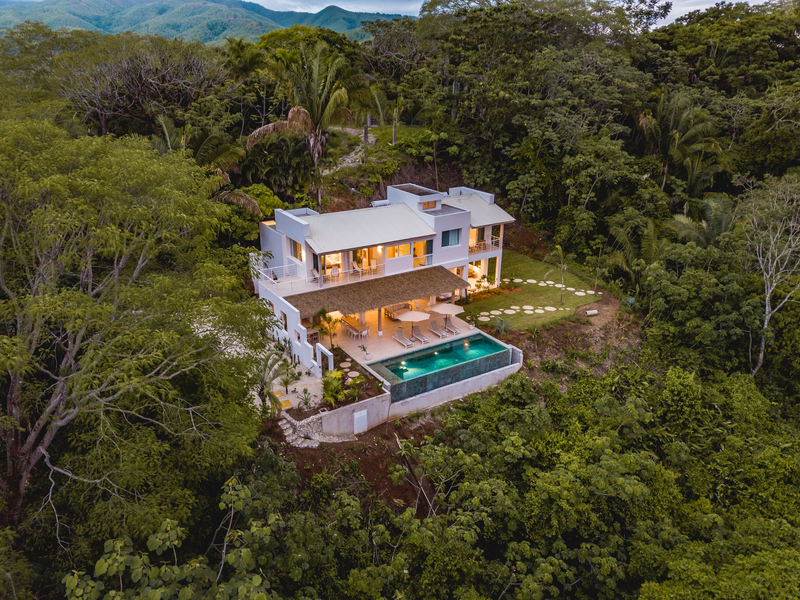
Water Access and Building Permits When Buying Land in Guanacaste
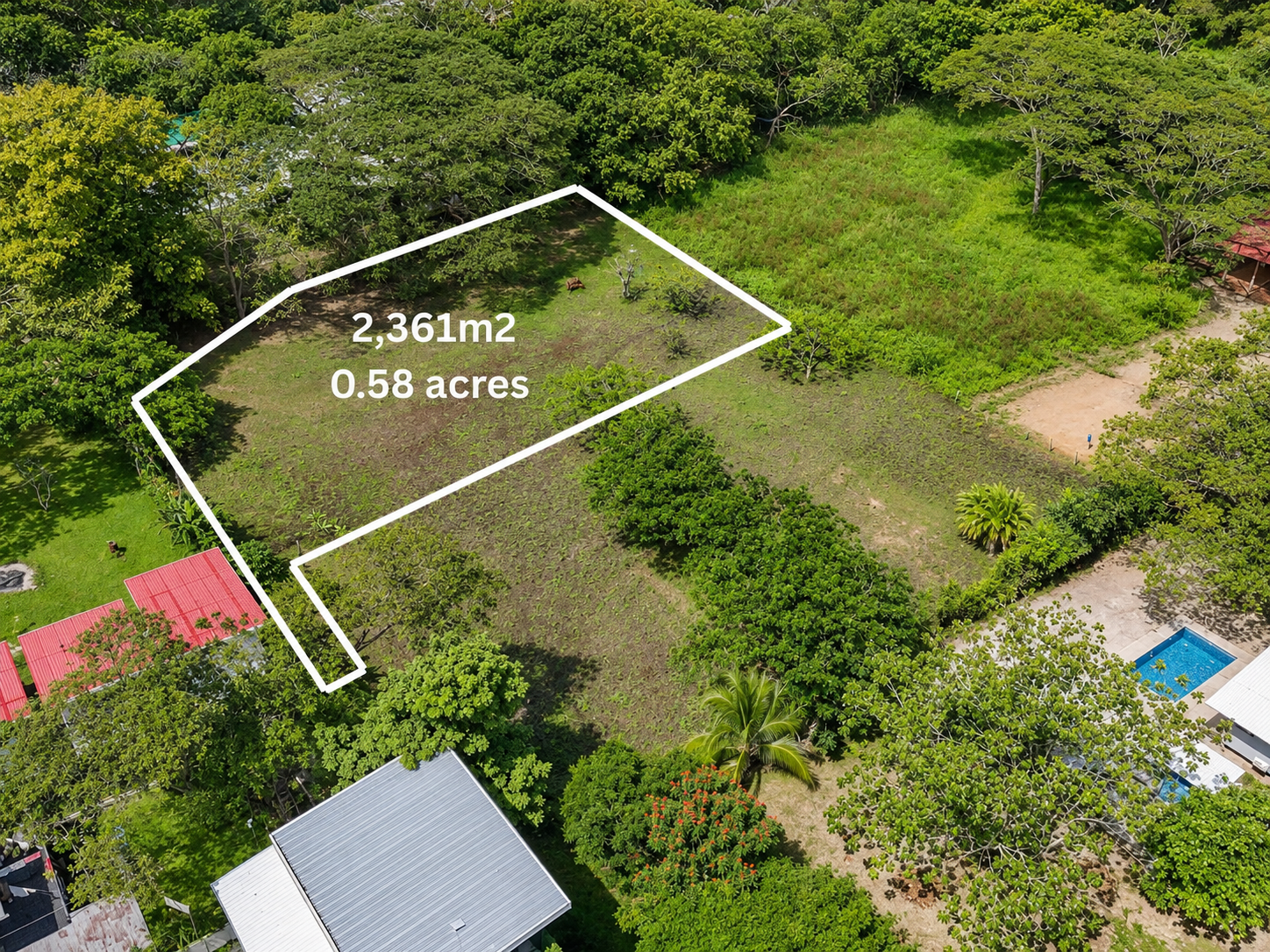
A beautiful plot in Guanacaste can look like the perfect place to build. Before you commit, however, you need answers to two practical questions: can the property legally obtain enough water for your project, and can you secure the necessary construction approvals?
A pipe beside the road, a neighbouring well or a seller’s promise does not establish that your proposed home can be supplied. Equally, a registered title does not confirm that you can build the design you have in mind.
This guide explains what to check before buying land around Sámara and elsewhere in Guanacaste, which documents to request and when to involve your attorney, architect and water specialist.

Why Water Access Matters When Buying Land in Guanacaste
Water availability affects your development budget, timetable and intended use. A single home, several rental units and a commercial project can have very different requirements. Your enquiries should therefore describe what you actually intend to build.
Guanacaste’s seasonal conditions also matter. A source that appears productive during the rainy season may perform differently during the dry months. Ask about supply interruptions, storage requirements and evidence of performance under demanding conditions.
Separate three questions: is there a lawful source, can it provide enough suitable water, and is the necessary infrastructure available? A positive answer to one does not settle the others.
Water Supply Options: What Buyers Should Compare
The main options are service from AyA or an authorised ASADA, groundwater from a properly authorised well, or an authorised surface water source. Each requires its own documentary and technical checks.
| Source | Costs to investigate | Timing considerations | Documents and evidence |
|---|---|---|---|
| AyA service | Connection charges, meter installation and any required network extension. | Confirm capacity, infrastructure requirements and the applicable connection process. | Property specific availability documentation, service conditions and account status where applicable. |
| ASADA service | Connection charges, approved infrastructure contributions and ongoing service fees. | Check service boundaries, capacity and any conditions affecting new connections. | Written confirmation from the authorised ASADA covering the parcel and proposed demand. |
| Groundwater well | Professional studies, permitted drilling, testing, pump, storage, power and treatment. | Separate drilling authorisation, concession processing and operational readiness. | Well identification, applicable authorisations, concession status, pumping tests and water quality results. |
| Surface water source | Authorisations, intake works, access, conveyance, storage and treatment. | Assess the concession process, seasonal flow and environmental requirements. | Applicable concession, permitted volume and use, source location and technical assessment. |
AyA and ASADA Connections
AyA is Costa Rica’s national water and sewerage institution. ASADAs are community associations that operate delegated water services in many locations. They should not be treated as private water shares that automatically accompany a land purchase.
Ask the actual provider for written confirmation relevant to the parcel and your proposed project. Establish whether an existing connection can serve additional buildings, whether infrastructure must be extended and what conditions apply.
A nearby main or an existing household meter does not establish capacity for a subdivision or several rental units. Your design professional should confirm which availability document the permit application requires.
Groundwater Wells
Buying land with a well does not remove the need to check its legal and technical status. Identify the well, the authorised holder, the permitted use and extraction volume, and any conditions attached to the authorisation.
For a new well, drilling permission and permission to use the extracted water are distinct matters. The Dirección de Agua provides a combined application route for new drilling and a groundwater concession, with requirements involving the owner, drilling contractor and responsible geologist. Check the official drilling and concession procedure before commissioning work.
Ask a qualified specialist to assess yield, seasonal performance and water quality. Neither a feasibility study nor a neighbouring productive well guarantees a successful result on your parcel.
Surface Water Sources
A stream or spring on the property is not sufficient evidence that you may extract water for your development. Have your attorney establish the applicable rights and authorisations, and ask a specialist to assess supply and treatment requirements.
Check the permitted volume, intended use, intake location and any access arrangements across neighbouring land. Assess seasonal flow rather than relying only on conditions observed during one visit.
A Local Portfolio Example: What “Water Available” Should Prompt You to Ask

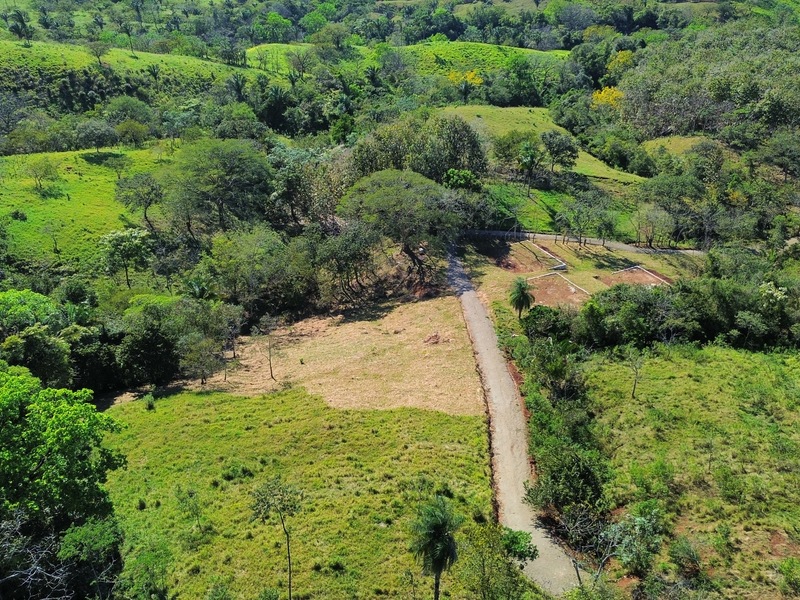
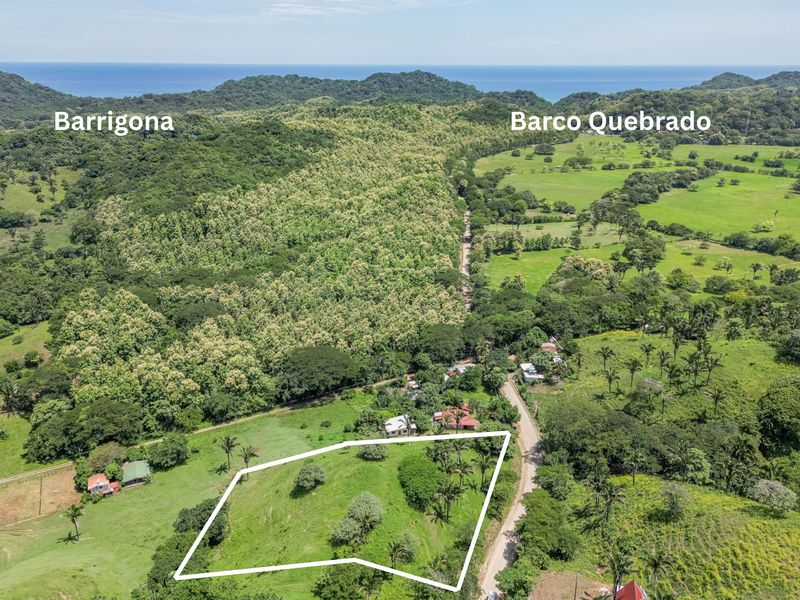
Coldwell Banker Sámara’s Lot Micky listing advertises a Sámara parcel of more than 11,000 m² at US$199,000. The description identifies an existing gravel driveway, a large platform and available water service.
Those details provide a useful starting point for a viewing. Your next questions should identify the provider, obtain current availability documentation and establish whether the proposed building can be supplied. The platform and access should also be assessed against your design and engineering requirements.
Browse the agency’s land portfolio and ask the team to help you compare the documentation available for shortlisted properties.
Worked Example: Assessing a 5,000 m² Plot in Nosara
Consider an illustrative 5,000 m² parcel without an established water connection. Before treating it as a building plot for your project, follow this sequence:
- Define the intended development. Describe the number of buildings, accommodation, occupancy and other water demands.
- Contact the relevant provider. Establish whether the parcel falls within its service area and what availability or connection conditions apply.
- Price the complete connection. Include infrastructure, storage, pumping and access works where necessary.
- Investigate alternatives if required. Obtain professional advice on whether a lawful well or other supply is feasible.
- Set a purchase decision point. Agree what evidence must be satisfactory before you proceed.
Obtain itemised professional quotations rather than relying on a general allowance for a study or drilling. The depth, geology, unsuccessful drilling risk, power supply and treatment requirements can materially change the total cost.
If no acceptable solution is established, reconsider the purchase against your intended use. A lower land price does not resolve an uncertain development pathway.
Documents to Request Before Purchase
Ask your attorney and technical advisers to build a file covering both the land and its proposed supply.
- Property identification: the current registry information and cadastral plan.
- Provider documentation: availability or service confirmation identifying the parcel and relevant conditions.
- Existing account information: connection status, outstanding charges and the process for changing the account holder.
- Well or source authorisations: the applicable permit, concession resolution, amendments, expiry information and current administrative status.
- Technical evidence: pumping or flow tests, water quality results and details of storage and treatment.
- Access rights: documented arrangements for pipes, pumps, intakes or infrastructure on other land.
- Transfer requirements: confirmation of any separate application or approval needed following the sale.
Do not assume a water concession transfers automatically with the land or will necessarily appear as an ordinary entry on the property title. Your attorney should check the relevant administrative file and transfer procedure.
Warning Signs That Deserve Further Investigation
Vague Water Descriptions
Expressions such as “water nearby”, “well planned” or “water available” need supporting detail. Ask what exists today, what still requires approval and who would pay for the necessary work.
A Price That Is Difficult to Explain
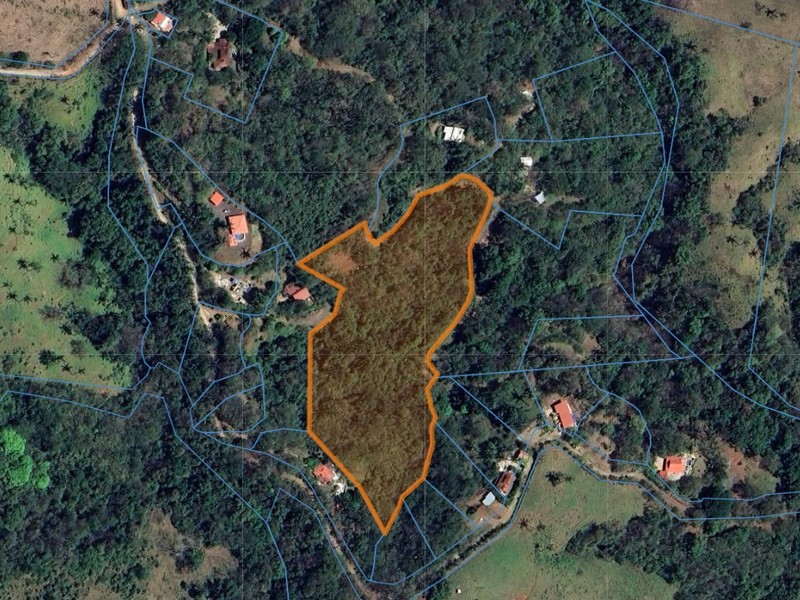
A low price is not evidence of a defect, but it should prompt a careful comparison. Check whether access, water, topography, legal rights or environmental restrictions explain the difference from other parcels.
Unclear Coastal Ownership Claims
Coastal property requires particular care. Do not assume every beachfront parcel is ordinary titled land, or that every coastal title is invalid. Ask your attorney to establish the applicable legal regime and the evidence supporting the seller’s rights.
Missing Documents or Pressure to Rush
Unexplained gaps in ownership or supply records should be resolved before commitment. Agree a due diligence period with clear document requirements, investigation rights and contractual consequences if essential conditions are not met.
Understanding Building Permit Requirements
The relevant municipality administers construction permission for the property. Start with written land use information and a review of the regulations applicable to the site, including any relevant planning rules.
Check your intended use, building coverage, height, setbacks, access and wastewater arrangements. Do not assume every municipality has the same planning framework or that a neighbouring development establishes what is permitted on your land.
Engage an architect or engineer authorised to practise in Costa Rica and registered with the CFIA. Ask that professional to confirm the current submission route, supporting documents and approvals required for your project.
The CFIA construction project requirements include water availability documentation, with the relevant evidence depending on the supply arrangement. Confirm the specific requirements for your application before finalising the design.
Questions to Resolve with Your Design Professional
- Is the proposed use allowed on this parcel?
- What access, setback and coverage restrictions apply?
- What water availability evidence will be accepted?
- How will wastewater be treated and discharged lawfully?
- Are slope stability, drainage or flood assessments needed?
- Which environmental approvals must be obtained?
- What remains outstanding before a complete permit application can be submitted?
Separate preparation time from authority processing time. Missing documents, redesign and additional studies can affect the timetable before a complete application reaches the municipality.
Coastal Restrictions and Concession Land
Under the general maritime zone framework, the coastal strip extends 200 metres inland from ordinary high tide, comprising a 50 metre public zone and a further 150 metre restricted zone. The restricted zone is generally associated with concession rights rather than ordinary private ownership.
There are legally recognised exceptions involving certain legitimate registered properties. The Procuraduría’s explanation of coastal ownership and concession rights illustrates why a coastal parcel requires individual legal analysis.
For concession property, review the approved use, remaining term, annual canon, compliance obligations and transfer requirements. Foreign applicants and ownership structures are subject to statutory restrictions, so eligibility must be established before signing.
A water concession and a maritime zone concession are different authorisations. Having one does not establish that the other exists or that construction is permitted.
Environmental Review and SETENA
Environmental requirements depend on the project and the site. Protected areas, wetlands, forests, watercourses, earthworks and development scale can affect the approvals needed and the usable building area.
Ask an environmental professional to identify the applicable SETENA procedure. Do not select a form based only on the assumption that a single home is exempt or that every larger project follows the same route.
SETENA’s official guidance on environmental assessment explains the available procedures and the relevance of environmentally sensitive areas. Your consultant should confirm the current requirements for the actual proposal.
Before clearing vegetation or forming a building platform, establish whether forestry, earthworks or other permissions are required. Land ownership alone does not authorise clearing protected forest or altering a watercourse.
Build Your Professional Team Before Committing
Your attorney should assess ownership, charges, contractual protections and the legal status of water rights. Your architect or engineer should test the intended development against site conditions and permit requirements. A hydrogeologist or environmental consultant may be needed for specialist questions.
Coldwell Banker Sámara can help you identify properties to investigate and request information from sellers. Keep the distinction clear between an agent’s description, an authority’s written confirmation and an independent professional assessment.
Contact the team with your budget, preferred location and intended development so your shortlist reflects the project you want to pursue.
Frequently Asked Questions
Can foreign buyers apply for water concessions?
Foreign applicants should have their attorney confirm the identification, representation and eligibility requirements for the relevant procedure. Do not confuse water concession requirements with the separate restrictions governing maritime zone concessions.
What if the land has no current water access?
Investigate provider availability and any lawful alternative before relying on the land for your project. Obtain written findings, a realistic cost assessment and a clear explanation of outstanding approvals. Nearby connections or wells do not establish availability for your parcel.
How long does well approval take?
There is no dependable universal timetable for a particular purchase. Distinguish drilling authorisation, technical work, environmental requirements, the concession decision and installation. Ask your advisers to identify each stage and what could delay it.
Do ASADAs accept every connection request?
No. Establish whether the parcel is within the provider’s service area and whether the requested demand can be accommodated. Obtain the applicable written confirmation and clarify infrastructure requirements before assuming a connection will be provided.
What happens if you build without the required permits?
You may face enforcement action, suspension of works, penalties and requirements to modify or remove construction, depending on the circumstances. Unauthorised work can also complicate financing, insurance and resale. Ask your attorney and engineer to assess any existing structures before purchase rather than assuming they can be regularised later.
Find Land That Fits Your Building Plans
The right plot needs to work on paper as well as during a viewing. Confirm the water supply pathway, permitted use, physical constraints and outstanding approvals before making a commitment that depends on development.
Planning to buy land around Sámara? Explore available land listings and ask Coldwell Banker Sámara to help you build a shortlist for investigation with your professional advisers.
Call +506 2656 0856 in Costa Rica or +1 814 500 3379 in the United States. You can also email info@coldwellbankersamara.com.