Maintaining a Coastal Home in Costa Rica: Salt Air & Humidity Guide
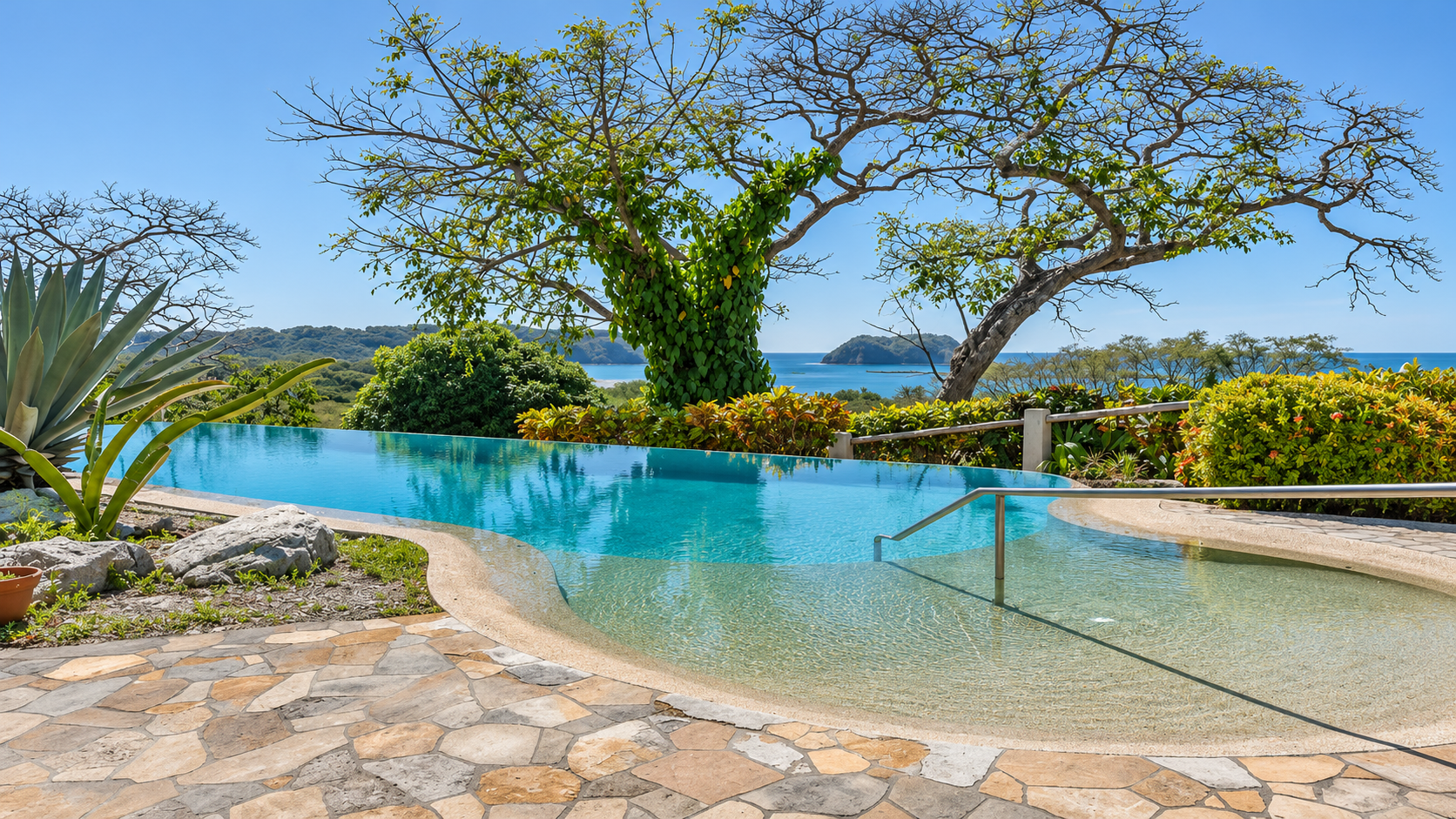
Owning a coastal home in Costa Rica offers warm weather, ocean views and outdoor living. The same environment also brings salt air, moisture and strong sunlight that affect buildings, furnishings and equipment.
Understanding these demands before purchasing helps you assess the property properly. After completion, a maintenance plan built around the home’s materials, exposure and condition makes it easier to organise services and respond to problems early.
Understanding Your Property’s Coastal Exposure
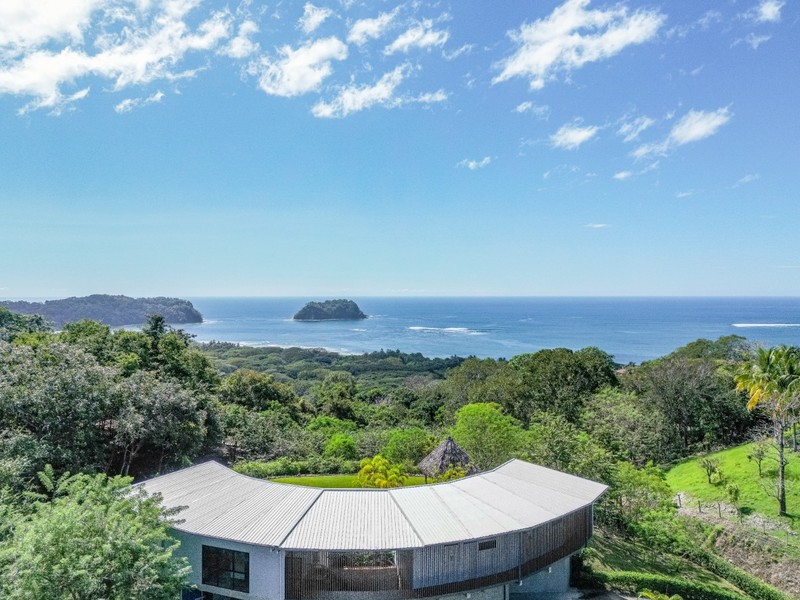
Around Sámara, maintenance needs change with periods of strong sunshine and sustained rainfall. Sun exposure affects coatings and sealants, while rain reveals weaknesses in roofing, drainage and the joints around windows and doors.
Salt exposure also varies between homes. Distance from the shore, wind direction, vegetation and building orientation influence where deposits accumulate. Sheltered metalwork may need particular attention because rainfall does not regularly rinse it.
When you explore Sámara properties for sale, request available maintenance records and arrange an independent inspection. Ask what documentation exists for the roof, drainage, electrical installations, pool and any previous moisture damage. The records available will differ between listings.
How Salt Air Affects Building Materials
Salt deposits combined with moisture can contribute to corrosion on exposed metal. Inspect hinges, railings, light fittings, fasteners and outdoor equipment housings. Rust staining, pitting, loose connections and damaged coatings deserve investigation.
Stainless steel is not automatically suitable for every coastal application. Type 316 contains molybdenum, which improves resistance to certain forms of chloride corrosion compared with type 304. However, fabrication, surface finish, cleaning and exposure all influence performance. Severe conditions may require a different specification.
Wood requires attention to drainage, joints, finishes and contact with damp ground. Inspect shaded areas, exposed end grain and connections where water can remain trapped. Choose cleaning and protective products that suit the particular timber and finish.
Concrete can develop problems where chlorides reach embedded reinforcement and contribute to corrosion. Cracking, rust marks or loose concrete should be assessed by a qualified engineer before cosmetic repairs conceal the evidence.
Exterior Maintenance Priorities
Clean surfaces using compatible methods
Regular cleaning removes dirt and deposits while giving you an opportunity to inspect finishes. Follow the manufacturer’s instructions for painted walls, glazing, metalwork and decking. Gentle cleaning with appropriate products is preferable to applying the same treatment everywhere.
Quarterly exterior cleaning can serve as a preliminary planning interval, but actual exposure may justify more or less frequent work. Pressure washing requires care because excessive pressure can damage coatings, seals and timber or force water into the building.
Inspect roofs, gutters and drainage
Arrange a roof assessment before sustained rains and after significant storms. Check flashings, penetrations, fixings, debris and signs of leakage. Use a suitably equipped contractor for work that requires roof access.
Clear gutters when debris accumulates and observe drainage during rainfall. Overflow, standing water and erosion indicate that the system needs attention. Confirm that discharge routes carry water away without damaging the site or neighbouring land.
Maintain paint, sealants and exposed hardware
Inspect for peeling finishes, cracked sealant, gaps and staining. Establish the cause before repainting or resealing. Have corroded safety components assessed promptly, particularly railings and structural fixings. Protective coatings and corrosion inhibitors should be compatible with the component and its intended use.

Interior Humidity Control and Moisture Management
Use humidity sensors to understand conditions in bedrooms, living areas and enclosed storage. Persistent condensation, damp finishes and musty smells need investigation. Repainting or adding fragrance does not address the underlying moisture source.
The EPA’s guidance on moisture and mold prevention recommends keeping indoor relative humidity below 60%, ideally between 30% and 50% where possible. It also emphasises repairing leaks and drying wet materials promptly. :chatgpt-content-reference{index="0"}
Choose suitable dehumidification
Ask a qualified technician whether the home needs dedicated dehumidification, changes to air conditioning or improvements to ventilation. Equipment capacity, drainage, building layout and outdoor conditions influence the result.
Portable units may suit individual rooms, while larger systems require professional sizing and installation. Confirm condensate disposal, servicing requirements and what happens after a power interruption. Electricity use depends on the equipment and its operating conditions.
Use ventilation and air conditioning effectively
Fans circulate air but do not remove water from it. Opening windows can help when outdoor conditions are suitable, but it may introduce additional moisture at other times. Use measured humidity to judge whether your approach is working.
Bathroom extractors should discharge outdoors. Keep air conditioning filters, condensate trays and drains maintained according to the equipment instructions. For an unoccupied home, agree on humidity targets and routine checks rather than relying on an arbitrary operating schedule.
Protect wardrobes and stored belongings
Dry clothing and towels before storage, avoid overcrowding cupboards and inspect behind furniture. Desiccants can help in small enclosed spaces but do not replace repairs or room humidity control. Air leather goods and check vulnerable belongings regularly during prolonged absences.
Laundry Rooms and Other Moisture Sources
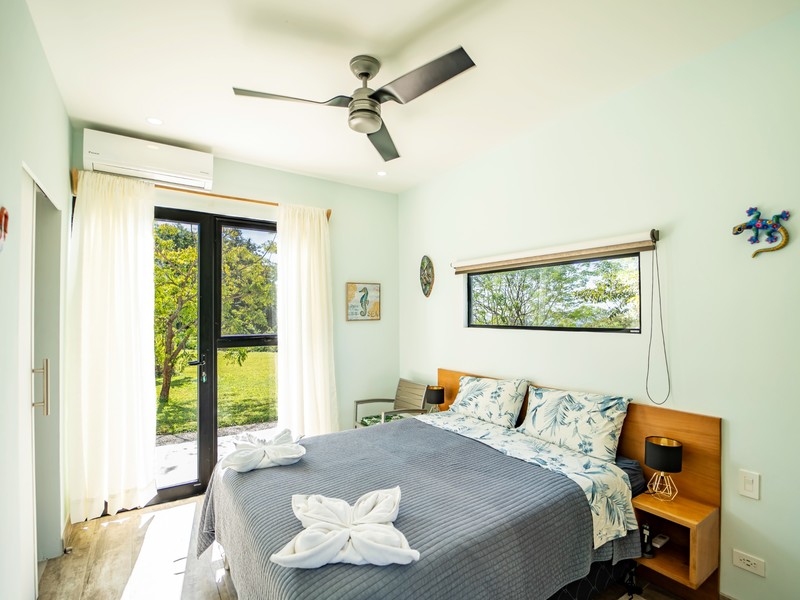
Include utility areas in your inspection plan. Check supply hoses, taps, appliance connections and drainage for leaks. Where a dryer requires an exhaust duct, confirm that it is installed and maintained according to the manufacturer’s instructions.
Avoid storing damp cleaning cloths or wet equipment in closed cupboards. Keep shelves organised so that plumbing connections remain visible and accessible. A small leak can be harder to detect when appliances and stored items conceal the area.
Pool Equipment, Outdoor Kitchens and Furniture
Ask your pool technician to inspect pumps, filters, housings, leaks and electrical connections. Maintain water chemistry within the equipment manufacturer’s limits and keep ventilation and service access unobstructed.
Do not spray water into electrical controls or apply generic treatments to equipment without checking compatibility. Salt chlorinator cells should be inspected and cleaned according to their instructions. Replacement timing depends on operating conditions and condition, rather than coastal location alone.
Outdoor grills and kitchens need compatible cleaning products and regular checks of burners, igniters and connections. Use covers as directed without trapping moisture. Assess the complete appliance specification rather than assuming a stainless steel label guarantees durability.
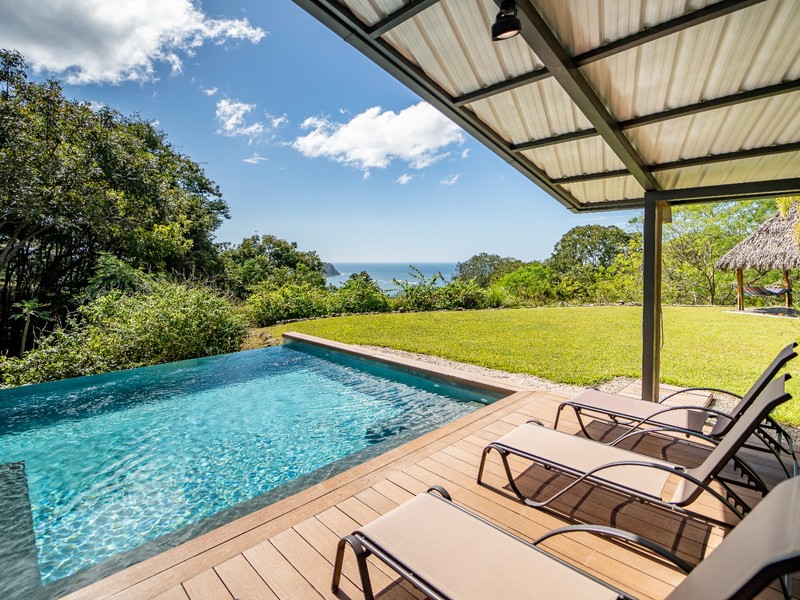
Clean furniture according to its material and finish. Let cushions dry before storing them, inspect shaded fabrics and check deck fixings, steps and slippery surfaces. Include garden drainage and vegetation management in the same routine.
Material Selection for Longevity
When building or renovating, request written specifications for the site’s exposure. Assess the complete system, including fixings, coatings, joints, installation and maintenance requirements. Correct detailing matters as much as the material selected.
| Component | What to confirm | What to avoid |
|---|---|---|
| Exterior railings and hardware | An alloy, finish and fabrication method selected for the exposure. | Unspecified grades or assumptions that every stainless steel product is corrosion proof. |
| Roofing and fasteners | Compatible roofing, coatings and fixings with suitable warranty terms. | Incompatible metals and fixings outside the roofing system specification. |
| Exterior wood | Suitable species or treatment, drainage details and compatible finishes. | Water traps, unsuitable ground contact and unsupported lifespan promises. |
| Concrete and reinforcement | An engineer’s specification covering exposure, concrete quality, reinforcement protection and curing. | Using surface coatings to conceal unresolved structural deterioration. |
| Paint and sealants | Products suited to the substrate, exposure and application conditions. | Applying products over damp, contaminated or poorly prepared surfaces. |
| Windows and doors | Weather performance, hardware, seals, drainage and installation quality. | Choosing solely by frame material while overlooking the complete assembly. |
| Outdoor equipment | Suitability for the installation environment and accessible servicing. | Exposed connections, blocked ventilation and incompatible cleaning products. |
Maintenance Costs and Budget Planning
Obtain written local quotations that state the scope, materials, access requirements, taxes and exclusions. Separate routine maintenance from utilities, property management, major replacements and repairs already needed at purchase.
The following figures retain the draft’s cost allowances as illustrative budgeting inputs. They are not verified local quotations or confirmed current market rates. Replace them with property specific estimates before relying on a budget.
| Work or equipment | Draft allowance | Confirm in the quotation |
|---|---|---|
| Exterior cleaning | US$80 to US$150 per visit | Surface area, cleaning method, access and exclusions. |
| Roof cleaning | US$120 to US$200 | Roof type, access equipment and compatible treatment. |
| Exterior repainting | US$2,500 to US$4,500 | Actual painted area, preparation, repairs, products and access. |
| Sealant work | US$200 to US$400 | Joint lengths, removal of old material and leak investigation. |
| Dehumidification system | US$1,800 to US$3,500 | Capacity, installation, drainage, electrical work and servicing. |
| Portable dehumidifier | US$200 to US$450 | Capacity, drainage options, warranty and energy use. |
| Replacement pool pump | US$600 to US$1,200, plus installation | Correct sizing, compatibility and installation costs. |
| Replacement chlorinator cell | US$400 to US$800 | Exact model, compatibility and labour. |
| Annual preventive maintenance exercise | US$3,500 to US$6,500 | A defined annual service package for the individual home, with major works budgeted separately. |
For example, a hypothetical US$5,000 annual allowance requires setting aside approximately US$417 per month. An illustrative 10% to 15% contingency adds US$500 to US$750 annually. Neither amount replaces an inspection or quotations for overdue repairs.
Seasonal Maintenance Calendar
Use this calendar as a starting point. Adjust it to exposure, inspection findings and manufacturers’ instructions. Schedule coating work when conditions permit proper preparation and curing.
| Task | Drier conditions | Rainy conditions | Planning interval |
|---|---|---|---|
| Exterior surfaces and metalwork | Check deposits and coatings. | Check persistent dampness and corrosion. | Inspect monthly; clean as required. |
| Gutters and drainage | Clear accumulated debris before sustained rains. | Observe flow, overflow and ponding. | Check regularly and after heavy storms. |
| Roof and flashings | Arrange inspections and repairs. | Look for leaks and interior staining. | Before sustained rains and after significant storms. |
| Windows, doors and sealants | Assess joints and schedule repairs. | Check water entry and condensation. | Twice yearly as a starting point; investigate leaks promptly. |
| Indoor humidity and storage | Review readings and enclosed spaces. | Watch for moisture accumulation. | Monitor routinely, including during absences. |
| Air conditioning and dehumidifiers | Inspect filters, drains and operation. | Confirm drainage and moisture control. | Follow the equipment service instructions. |
| Pool and outdoor equipment | Maintain chemistry and inspect components. | Check debris, drainage and equipment condition. | Follow the technician’s agreed service plan. |
| Paint, timber and pest evidence | Review finishes and undertake suitable work. | Inspect moisture traps and deterioration. | Review annually and respond to emerging problems. |
Protecting Long Term Value
Maintain a record of service dates, invoices, contractors, products and warranties. Photograph conditions before and after major work. These records help you track recurring issues and allow future buyers to understand the care provided.
If you spend extended periods away, appoint someone to inspect the home and agree on reporting, emergency contacts and repair authorisation. Include humidity readings, leaks, drainage and equipment operation in the checklist.
Frequently Asked Questions
How often should I wash exterior walls?
Inspect regularly and follow the finish manufacturer’s guidance. Quarterly cleaning can be a starting point, but visible deposits and exposure should determine the actual interval. Use methods that protect coatings and prevent water entering the building.
What stainless steel grade should I choose?
Have the supplier or designer specify a grade and finish for the exposure. Type 316 can offer improved chloride corrosion resistance compared with type 304, but it does not guarantee a fixed lifespan or suitability for every coastal location.
Can I control wardrobe moisture without constant air conditioning?
Possibly, depending on measured humidity and the moisture source. Avoid storing damp belongings, allow space around clothing and assess suitable dehumidification. Persistent dampness requires investigation rather than relying only on desiccants or fans.
How long does exterior paint last?
Durability depends on the product, preparation, substrate, application and exposure. Inspect annually and follow product guidance instead of assuming every coastal home needs repainting on the same timetable.
What annual maintenance budget should I use?
Start with inspection findings and local quotations. The US$3,500 to US$6,500 allowance above is illustrative. Major repairs, replacements, utilities and management fees need separate consideration.
Find a Coastal Home with Its Upkeep in Mind
Tell Coldwell Banker Sámara how you intend to use your home, how often you will be present and what maintenance arrangements you prefer. Request available seller records and arrange an independent inspection before committing.
Ready to explore your options? Browse Sámara homes for sale or contact the team to discuss suitable properties and arrange viewings.
Call +506 2656 0856 in Costa Rica or +1 814 500 3379 in the United States. You can also email info@coldwellbankersamara.com.