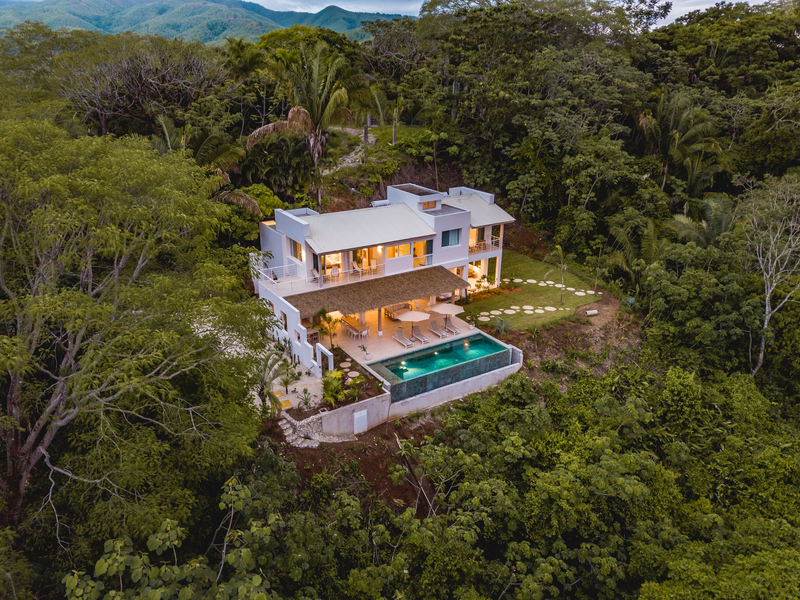
How to Price a Home for Sale in Sámara, Costa Rica

Pricing your home for sale in Sámara means balancing two concerns: protecting the value you have built and avoiding an asking price that buyers overlook. Start too high and you may lose enquiries to competing homes. Start too low and you risk accepting less than the available evidence supports.
The strongest pricing strategy combines comparable sales, competing listings and an honest assessment of your property. Beach access, construction quality, usable land and legal documentation all matter, but their influence depends on the alternatives available to your buyer.
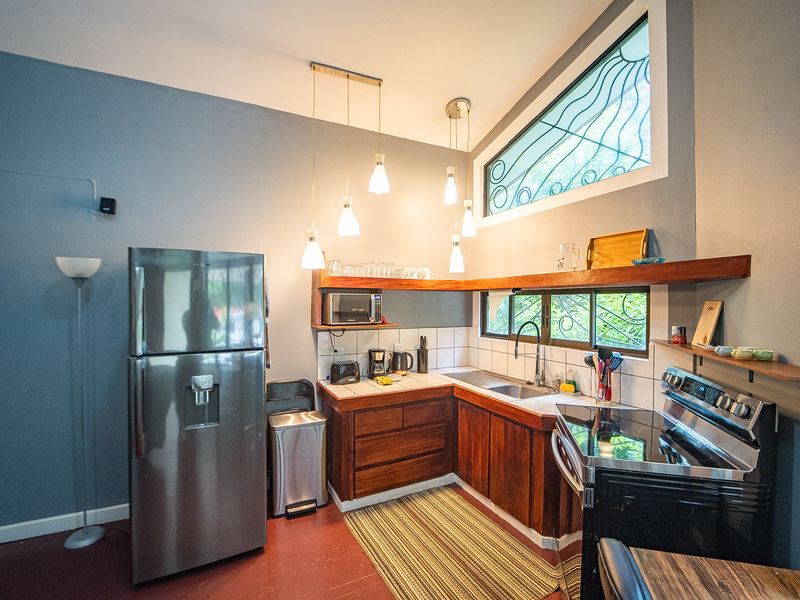
Understanding the Sámara Property Market
Sámara appeals to buyers seeking a permanent home, a retirement property, a holiday retreat or a rental investment. Those buyers may prioritise different things. Someone planning to live locally might value convenient access to shops and services, while a holiday buyer may place greater importance on beach access and outdoor living space.
The market also includes very different property types. A hillside home, a central apartment and a large coastal villa should not share the same pricing benchmark simply because all three are advertised in Sámara. Start with the properties that a buyer would realistically consider alongside yours.
Review the Coldwell Banker Sámara property portfolio to understand your current competition. Advertised prices show what sellers are asking. Completed transactions, where reliable evidence is available, help establish what buyers have actually paid.
Key Factors That Influence Property Values in Sámara
Location and Beach Access
A short, comfortable walk to Playa Sámara offers a different experience from a drive along a steep access road. Measure the route a buyer would actually use, rather than relying only on straight line distance from the coast.
Consider road condition, drainage, traffic, noise, parking and access during wet weather. A hillside property may offer impressive views, while a central home may provide easier access to restaurants, shops and everyday services. Neither advantage produces a fixed premium across every property.
For homes in managed developments, compare community fees, shared amenities, maintenance obligations and any restrictions affecting use. These details influence both affordability and buyer interest.
Property Condition and Construction Quality
In a tropical setting, buyers need to understand how well a home handles rainfall, humidity and regular maintenance. Roofing, drainage, ventilation, plumbing and electrical condition can matter as much as decorative finishes.
Visible water damage or deferred repairs may lead buyers to reduce their offers or request specialist inspections. Address straightforward maintenance before photography and viewings, and keep records of significant repairs or improvements.
A newer home does not automatically deserve a higher price than an older one. Compare construction quality, maintenance history, layout and renovation work. A carefully maintained older property may compete strongly with a more recent build.
Lot Size, Usable Land and Topography
Total land area is only part of the comparison. A relatively flat 2,000 m² parcel may offer more practical space than a steep 5,000 m² lot, depending on access, permitted development and the buyer’s intended use.
Separate the recorded lot size from the area suitable for gardens, parking, a pool or future construction. Sloping land may offer attractive views, but engineering, retaining walls and specialised foundations can affect development costs.
Established landscaping and comfortable outdoor spaces also contribute to a property’s appeal. Their value should be assessed against comparable homes rather than added to the asking price at their original cost.

Legal Status and Documentation
Registered ownership, maritime zone concessions and possessory rights involve different legal considerations. Compare properties with equivalent rights wherever possible, and ask a Costa Rican attorney to assess the documentation relevant to your sale.
Before settling on an asking price, establish whether there are unresolved boundaries, registered charges, permit questions or restrictions affecting the property. These issues can influence buyer confidence, financing possibilities and the steps required before closing.
Prepare the documents available for your property, including ownership information, the cadastral plan, tax records, building permits and relevant utility information. Clear documentation helps buyers assess what you are offering.
To discuss how your home should be positioned, request a comparative market analysis from Coldwell Banker Sámara. Legal questions should be reviewed with your attorney alongside the marketing assessment.
Amenities, Views and Outdoor Living
Ocean views, a well maintained pool, covered terraces and useful outdoor entertaining areas may help a property stand out. The relevant question is how much comparable buyers value those features, rather than how much they cost to install.
Describe views accurately. A partial view from a terrace is different from an expansive outlook enjoyed throughout the main living areas. Avoid describing a view as protected unless the legal and planning evidence supports that claim.
Internet availability, air conditioning, water storage and reliable services also deserve attention. Provide clear specifications and supporting records where available so that buyers can evaluate these features.
How to Compare the Main Valuation Factors
Use the following table to organise your research. These factors help explain differences between properties, but none provides an automatic percentage adjustment.
| Factor | What to compare | What to investigate | Seller preparation |
|---|---|---|---|
| Location | Practical beach access, services, surroundings and road quality. | Seasonal access, noise, steep approaches and maintenance responsibilities. | Document routes, access arrangements and nearby amenities accurately. |
| Legal status | Equivalent ownership rights and relevant restrictions. | Charges, boundaries, permits and unresolved documentation. | Have your attorney identify issues before negotiations begin. |
| Construction and condition | Build quality, maintenance, layout and renovation history. | Water damage, roof condition, drainage and repair requirements. | Complete appropriate repairs and gather supporting records. |
| Land | Usable area, topography, access and development possibilities. | Restrictions, slopes and infrastructure costs. | Distinguish recorded area from practically usable space. |
| Views and amenities | View quality, pools, terraces and service provision. | Maintenance costs and whether advertised benefits can be substantiated. | Use accurate photographs, descriptions and specifications. |
How to Build a Comparative Market Analysis
1. Gather Relevant Sales Evidence
Start with completed sales where the price, date and property details can be reliably established. Ask your agent which evidence supports each comparison and whether any important transaction conditions affected the result.
Keep completed sales separate from active listings and withdrawn advertisements. An asking price is a seller’s starting position, while a recorded transfer figure may require interpretation before it can be used as evidence of the full transaction.
When reliable sales information is limited, acknowledge that limitation in the pricing range. A precise figure does not become dependable simply because it appears in a spreadsheet.
2. Select Genuine Comparables
Aim for three to five relevant completed sales if suitable evidence is available. Prioritise similar location, legal status, property type, usable land, accommodation and condition.
- Beach access: compare walking routes and driving conditions, not distance alone.
- Lot size: a range within approximately 20% to 30% of your lot size can be a starting filter, but usable area may matter more.
- Accommodation: properties within one bedroom of yours may be useful starting points.
- Construction: compare quality, layout and condition alongside age.
- Property type: separate houses, apartments, vacant land and mixed use buildings.
If you broaden the search because few properties qualify, explain which differences require adjustment.
3. Adjust Comparable Prices in the Correct Direction
Adjust each comparable towards the characteristics of your home. If the comparable is superior, reduce its price for that difference. If your home is superior, increase the comparable’s price for that difference.
For example, if a sold comparable has a pool and your otherwise similar home does not, the adjustment to the comparable is downward. If your home has a pool and the comparable does not, the adjustment is upward, provided market evidence supports a contribution to value.
Use the same logic for condition, views, usable land and access. Avoid counting the same advantage twice, such as applying overlapping adjustments for a location and the beach access already reflected in it.
4. Use Price per Square Metre Carefully
For vacant land, divide the transaction price by lot area, then consider differences in location, usability, services and development restrictions.
For homes, price per square metre is a cross check rather than a complete valuation. The transaction includes land, buildings and other improvements. A home on a large lot cannot be compared fairly with a compact property simply by dividing both prices by internal floor area.
If you estimate land and building contributions separately, explain the evidence behind those estimates. Also confirm whether the advertised construction area includes terraces, garages or other covered spaces.

5. Review Patterns and Differences
A narrow range of adjusted sale prices may support a clearer recommendation. A wide range calls for further investigation into condition, legal rights, location, furnishings or transaction terms.
Time on the market can add context, but it does not explain the result by itself. Marketing exposure, viewing access, documentation and a seller’s circumstances may also affect how long a property takes to sell.
6. Consider Changes Since Those Sales
Check whether competing inventory and buyer enquiries have changed since the comparable transactions. Avoid declaring a market trend from a handful of different properties.
Ask your agent to explain whether the evidence supports a change in value, a change in selling time or simply a different mix of available homes.
A Practical Comparison Example
Suppose your home measures 150 m² and is approximately 400 metres from the beach. One recent sale is also 150 m² but sits 800 metres away, while another is around 300 metres from the beach.
These properties provide useful starting points, but distance does not establish the adjustment on its own. Compare the actual routes, condition, views, land and legal rights. Only then can you assess whether closer beach access supports a higher value and how much the evidence justifies.
Choosing Your Asking Price
Market Position and Negotiation Room
A defensible asking price should reflect your evidence, competing properties and selling priorities. Leaving negotiation room can be reasonable, but an inflated starting price may put your home outside the search range of suitable buyers.
For example, testing an asking price 5% to 10% above your estimated value changes the buyers and competing listings you encounter. That range is a scenario to assess with your agent, rather than a standard allowance to apply automatically.
Set three figures before listing: your supported asking price, your preferred outcome and your minimum acceptable net proceeds after costs. Keep the last figure private when discussing your negotiation strategy with your representative.
Timing Your Launch
Consider the timing of buyer visits alongside your property’s readiness. Launching before a period of increased visitor activity may be useful, but only if photographs, descriptions, viewing arrangements and documentation are ready.
A November or early December launch is one option to discuss with your agent. Ask what current enquiry and viewing evidence supports that timing for your particular property.
Do not assume that another season requires a discount. Base the decision on competing inventory, active buyers and your own timetable.
Positioning Against Competing Listings
Study the homes that buyers can choose instead of yours. Compare their practical advantages, condition and total ownership costs.
A listing that has remained available for months deserves investigation, but its age alone does not prove overpricing. Find out whether access, presentation, documentation or seller circumstances may explain the lack of a sale.
If your property offers a meaningful advantage, show it clearly. If competing homes offer more at the same price, address that difference in your presentation or pricing.
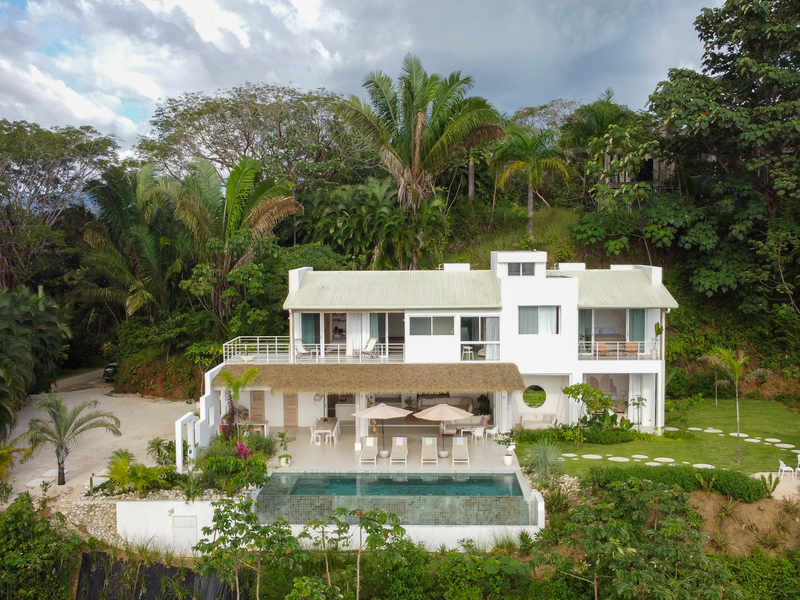
When to Review or Adjust Your Price
Agree review dates with your agent before the listing goes live. Around 60 days can be a useful checkpoint, with a fuller reassessment after 60 to 90 days if results remain weak. These are review intervals, not proof that the asking price is wrong.
Look at enquiries, qualified viewings, buyer feedback, offers and the quality of the marketing. Low activity may reflect price resistance, limited exposure, weak photographs or difficult viewing arrangements.
| What you observe | What to review | Possible response |
|---|---|---|
| Few enquiries or viewings | Price bracket, exposure, photographs and viewing availability. | Improve the marketing and assess price against current alternatives. |
| Viewings without offers | Repeated feedback about condition, layout, access or value. | Resolve practical objections and reassess whether the price reflects them. |
| Offers below expectations | Offer terms, supporting evidence and competing properties. | Compare net outcomes and negotiate using evidence. |
A meaningful adjustment can bring your listing into a different search bracket. Reducing an asking price from $425,000 to $389,000 is a $36,000 reduction and places it below a $400,000 search ceiling. Whether that move is appropriate depends on your valuation and market feedback.
Avoid making repeated small reductions without a clear reason. Each change should form part of an agreed strategy, with enough time to assess its effect.
Common Pricing Mistakes to Avoid
Using Personal Investment as Market Value
Your memories and improvement costs matter to you, but buyers compare the home with their alternatives. A $50,000 kitchen renovation does not automatically add $50,000 to the sale price.
Use expenditure records to explain the work completed. Use comparable evidence to assess how much that work contributes to value.
Ignoring Available Competition
Before finalising your asking price, identify the most relevant alternatives. Buyers may compare your home with properties in nearby locations if they offer similar access, accommodation and lifestyle benefits.
Revisit that comparison when new listings appear or competing properties change price.
Delaying a Review Despite Weak Results
If the first review shows little qualified interest, investigate promptly. Waiting several more months without checking the marketing, viewing arrangements and price can prolong the same problem.
Separate evidence from frustration. Ask what buyers have actually said, which alternatives they chose and what change is most likely to address their concerns.
Creating Currency Confusion
Use a clear currency throughout the advertisement and negotiations. If your property is priced at ₡250,000,000 while a buyer budgets in US dollars, exchange rate movements will change its dollar equivalent.
Agree the contract currency, payment arrangements and any conversion method with your attorney and bank. Advertising in the buyer’s preferred currency can simplify comparisons, but it does not remove every currency risk.
Claiming Premium Features Without Evidence
Accurately document features such as legal access, construction quality and permitted improvements. Claims about protected views or exclusive rights need supporting evidence.
Professional photographs and clear descriptions should explain genuine advantages. They should also allow a buyer to understand practical limitations before arranging a viewing.
Frequently Asked Questions
What is the average time to sell a home in Sámara?
A useful estimate requires recent evidence for properties similar to yours. Property type, price, condition, marketing and transaction requirements all affect the timetable. Ask your agent to distinguish time to an accepted offer from time to completed closing.
Should I get a formal appraisal?
A comparative market analysis helps you choose an asking price by examining relevant sales and competing listings. A formal appraisal may be appropriate for lending, legal, tax or other valuation purposes. Discuss which assessment you need, its scope and any fee before commissioning it.
How much negotiation room should I leave?
There is no universal percentage. Consider the strength of your pricing evidence, competing inventory and your priorities. Compare the complete offer, including conditions, timing, included furnishings and any repair requests, rather than focusing only on the discount from asking price.
Do ocean views justify a premium?
They may, where comparable evidence shows buyers paying more for that benefit. View quality, access, property condition and the possibility of future obstruction all matter. Avoid applying a fixed premium to every home with a sea view.
How do exchange rates affect pricing?
They affect comparisons when the seller and buyer use different currencies, and they may affect the proceeds received after conversion. Confirm the currency, exchange method, banking charges and payment timing before accepting an offer.
Set Your Price with Local Guidance
A strong asking price should be explainable. You should understand which properties support it, what adjustments were made and how your home compares with the alternatives buyers can see today.
Coldwell Banker Sámara’s seller enquiry page provides a direct starting point for discussing your property and representation. Bring your property documents, improvement records, preferred timetable and any recent valuation information so the discussion can focus on your circumstances.
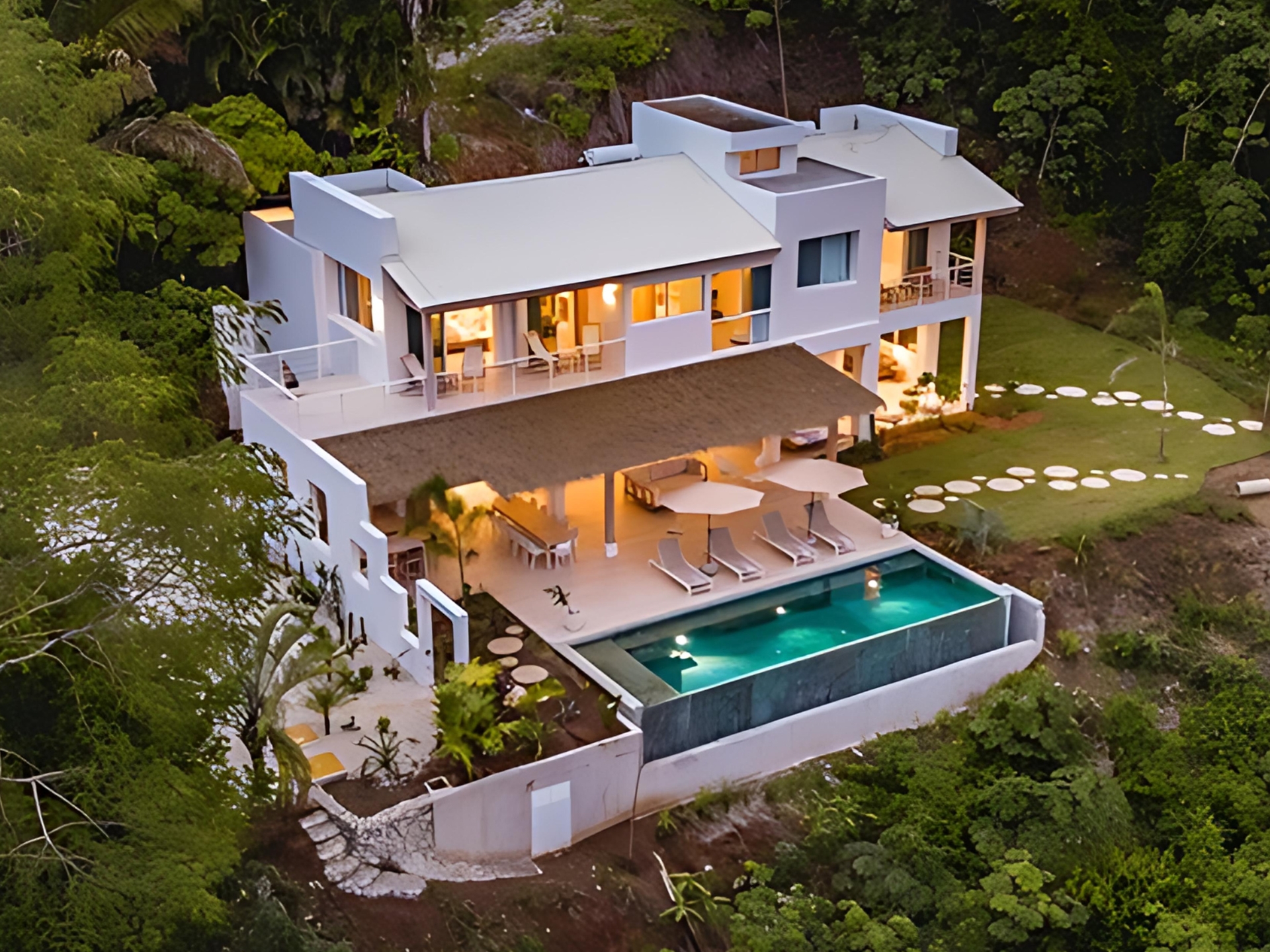
Ready to price your Sámara home? Contact Coldwell Banker Sámara to discuss your selling strategy and review the properties competing for buyers’ attention.
Call +506 2656 0856 in Costa Rica or +1 814 500 3379 from the United States.