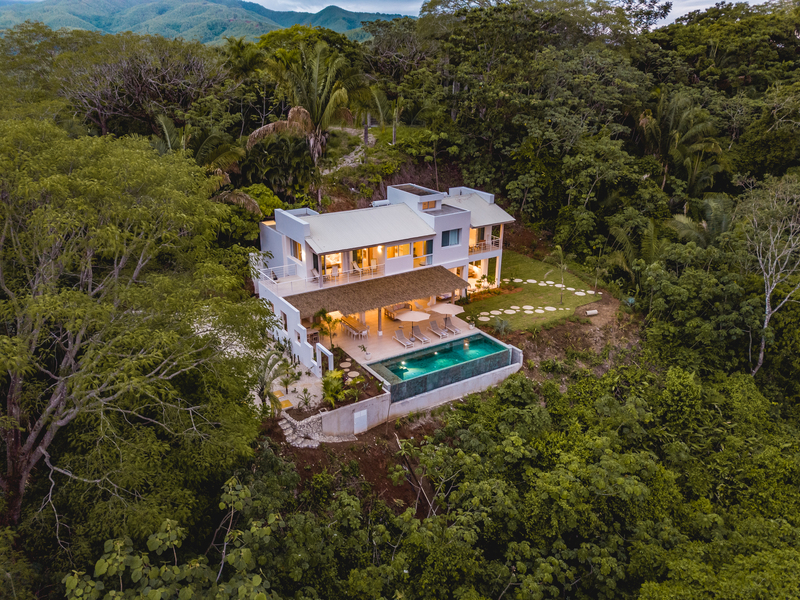
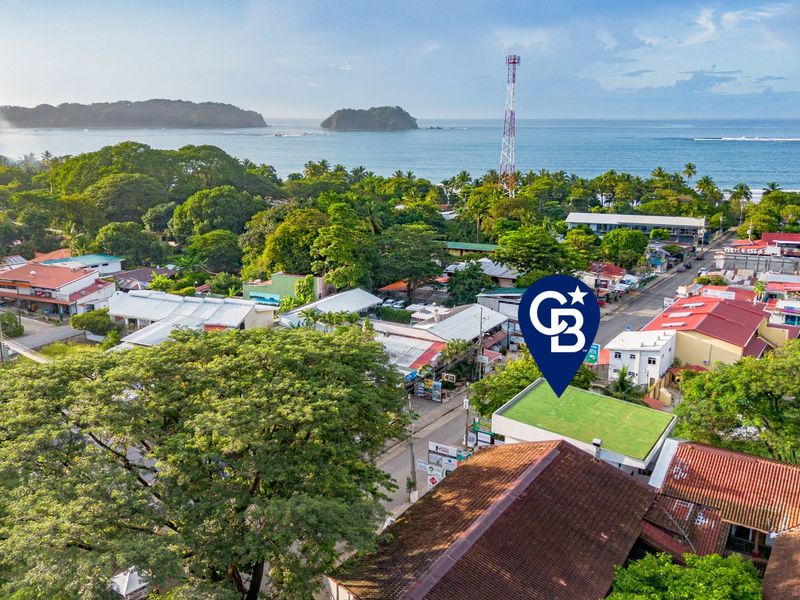
Buying Rental Property in Costa Rica: A Guide for International Investors
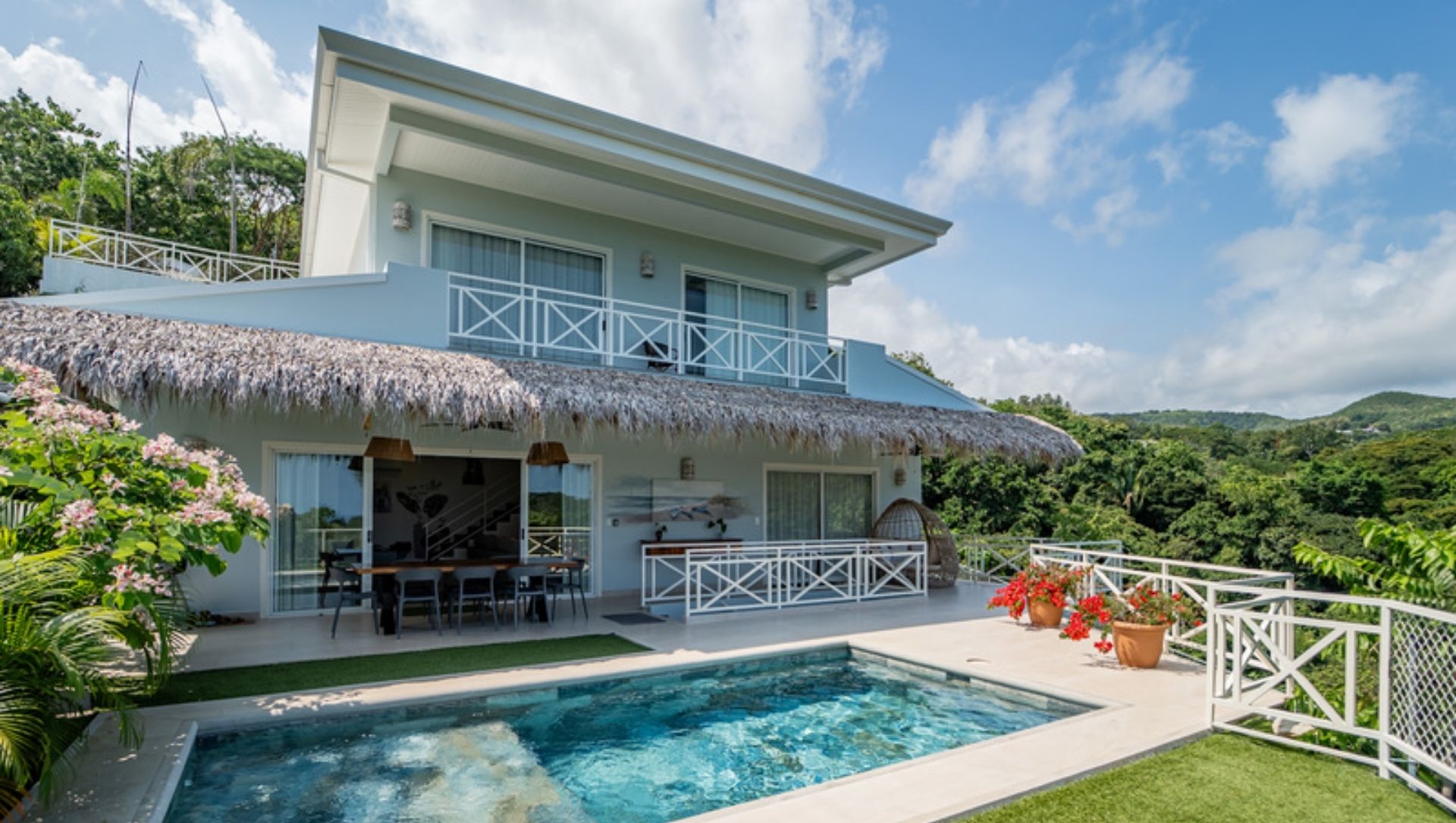
Costa Rica has established itself as a leading destination for international property investors seeking rental income in Central America. Political stability, a well-developed tourism infrastructure and a sizeable expat community create conditions that support consistent rental demand, particularly in coastal regions such as Guanacaste.
The country's appeal goes beyond climate and scenery. Costa Rica grants foreign nationals the same property ownership rights as its citizens, removing a common barrier found in other markets. There are no restrictions on the percentage of land foreigners may own, and no requirement to obtain special permits for most residential purchases.
That equal legal footing does not eliminate complexity. International buyers must still navigate Costa Rican corporate structures, understand local tax obligations, conduct thorough due diligence and choose property types that align with realistic rental projections. This guide walks through each of those considerations.
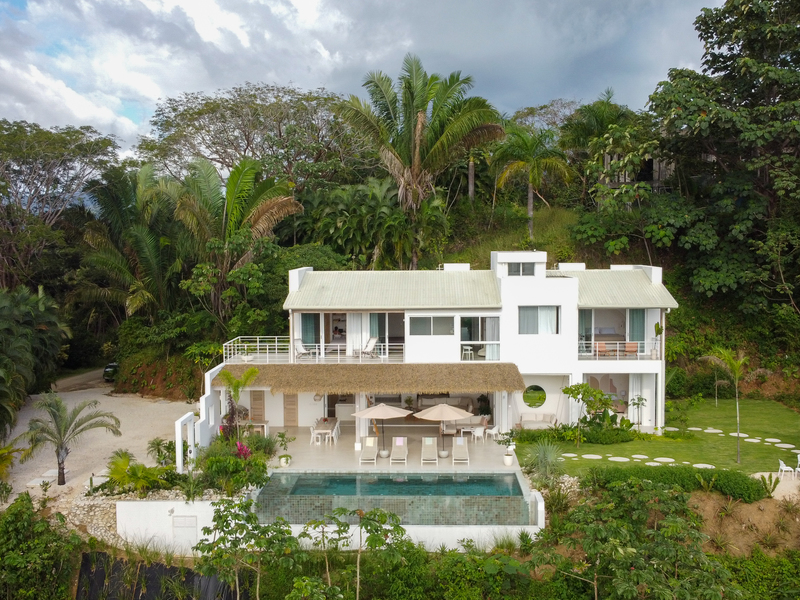
Why Coldwell Banker Sámara Matters to Rental Investors
A rental investment decision becomes more useful when buyers can compare general market guidance with actual properties available in the Sámara market. Coldwell Banker Sámara currently maintains dedicated inventory for investment opportunities, income-producing properties, long-term rentals, condos and land, allowing investors to assess real properties rather than relying only on theoretical yield assumptions.
The agency's current portfolio includes properties specifically identified for investment or income-producing potential. For example, Villa Moneta in central Sámara is currently listed at $530,000 and is described as having proven rental history and potential for vacation rental, hospitality or commercial use. Casa Suarez is listed at $329,000 and combines a two-bedroom main residence with a separate rental studio. These are current listings, not completed transaction case studies, so their asking prices and property characteristics should be treated as examples for due diligence rather than guaranteed investment returns.
Coldwell Banker Sámara also publishes client feedback that documents the practical support provided during transactions. Recent testimonials include a U.S. buyer who completed a remote purchase with Bryan Medrano and a U.S. buyer who described receiving assistance with banking, surveying, introductions to neighbours and property-manager recommendations during a purchase in Puerto Carrillo. These examples demonstrate transaction support without implying a specific rental yield that has not been independently verified.
Read Coldwell Banker Sámara client testimonials to see first-hand feedback from buyers and sellers who have worked with the local team.
Quick Reference for International Rental Investors
- Ownership rights: Foreigners hold the same constitutional property rights as Costa Rican nationals, with no purchase restrictions on most residential land.
- Corporate structure recommended: A Sociedad Anónima (S.A.) offers liability protection, simplified transfers and estate-planning benefits at the cost of annual maintenance fees.
- Title study non-negotiable: Full registry search and legal due diligence prevent costly disputes over liens, boundaries or ownership.
- Rental yields vary by location: Net annual yields typically range from 4 to 8 percent after costs, with beachfront properties commanding higher rates but seasonal occupancy.
- Tourism infrastructure supports demand: International airports, reliable internet and year-round visitor flow underpin both short-term and long-term rental markets.
- Property-specific evidence matters: Current listings can demonstrate the types of investment opportunities available, but asking prices and marketing descriptions should never be treated as proof of a guaranteed rental return.
Why International Investors Choose Costa Rica for Rental Property
Tourism remains one of Costa Rica's primary economic engines. Visitors arrive year-round, drawn by national parks, beaches and adventure activities. Coastal towns in Guanacaste, including Samara, Tamarindo and Playas del Coco, see particularly strong demand during North American winter months, when short-term rental rates peak.
Long-term rental markets also function steadily, supported by resident expats, remote workers and local professionals. Properties that appeal to both segments (short-term vacationers and long-term tenants) offer flexibility when market conditions shift.
Infrastructure development has kept pace with growth in many areas. International airports in Liberia and San José provide direct flights from major North American and European cities, reducing travel friction for both owners and guests. Reliable internet, increasingly common even in smaller towns, supports the remote-work trend that has broadened the tenant pool since 2020.
The absence of capital-gains tax for properties held in certain structures (discussed below) and a relatively straightforward residency pathway for investors add further appeal.
Legal Framework: Foreign Ownership and Property Rights
Foreign buyers enjoy the same constitutional property rights as Costa Rican nationals. You may purchase property in your own name, in joint tenancy with a partner, or through a legal entity. The one exception applies to certain coastal concession zones, where beachfront land within the "maritime zone" falls under different rules and may require long-term leases rather than outright ownership. Most properties marketed to international buyers lie outside this zone or hold clear title.
Title is recorded in Costa Rica's National Registry (Registro Nacional). A property with a registered title deed (escritura) provides the strongest legal clarity. Some rural or older properties may still operate under less formal documentation, which increases risk and complicates financing or resale.
Before any purchase, a lawyer should conduct a full title study to confirm the seller's ownership, verify there are no liens or encumbrances and ensure property boundaries match the registry description. Surveys and physical inspections catch discrepancies that paper records miss.
Structuring Your Investment: Corporations vs Personal Ownership
Many international investors hold Costa Rican property through a corporation (most commonly a Sociedad Anónima, or S.A.). This structure offers several advantages over personal ownership, but also introduces ongoing obligations.
Corporation (S.A.) vs Personal Ownership Comparison
| Consideration | Corporation (S.A.) | Personal Ownership |
|---|---|---|
| Liability protection | Corporation is legal owner; personal assets shielded from property-related claims | Full personal liability for property claims, tenant disputes and accidents |
| Transfer tax on sale | Shares transfer without property transfer tax (1.5% avoided); stamp duties minimal | Full 1.5% transfer tax on property value plus registration and notary fees |
| Estate planning ease | Share transfer avoids Costa Rican probate; heirs receive shares directly | Property enters probate in Costa Rica; can delay distribution 12+ months |
| Annual maintenance cost | Franchise tax (minimum ≈$450 annually), resident agent fees ($300-$600), accounting ($500-$1,200) | No corporate fees; only property tax and standard maintenance |
| Privacy level | Shareholder names not in public registry (nominee directors possible) | Owner name, ID and address recorded in public National Registry |
| Best-suited investor profile | Rental investors prioritising liability protection, frequent trading or estate planning | Owner-occupiers or long-term holders comfortable with public records and personal liability |
The trade-off is annual corporate maintenance. An S.A. must file returns, hold board meetings and pay a yearly franchise tax, calculated as a percentage of corporate capital or assets with a minimum threshold. A resident agent and accountant handle these obligations, but budget for ongoing costs between $1,250 and $2,250 annually depending on corporate structure and complexity.
Holding property in your personal name is simpler and incurs no corporate fees, but you lose the liability shield and pay transfer tax on the full property value when you sell. For rental investors, who face tenant and guest liability, the corporate route often makes sense.
Property Types and Rental Market Performance
Rental returns vary by property type, location and management quality. Understanding realistic yield ranges and occupancy patterns helps set achievable expectations.
Beachfront Villas
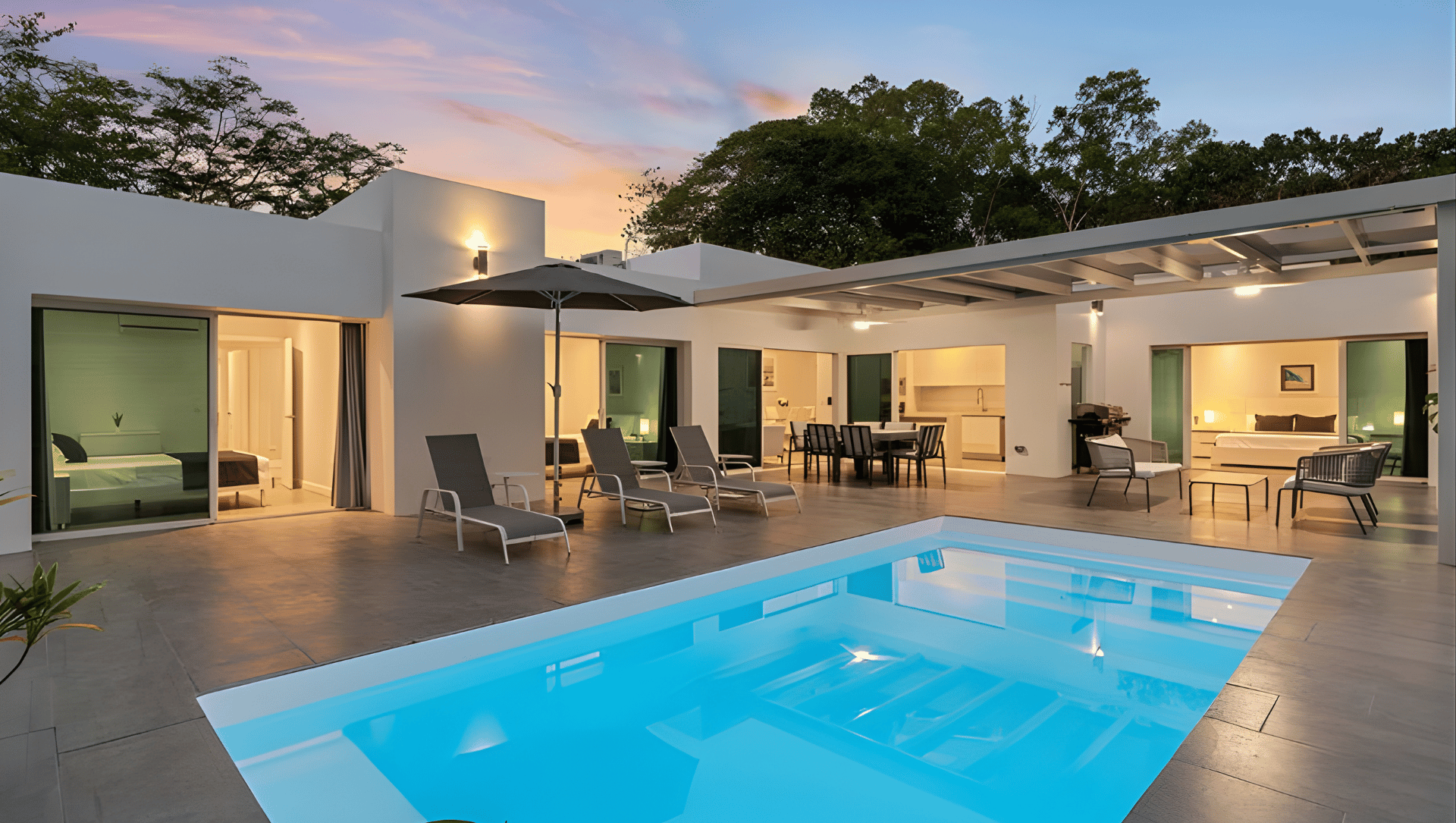
Beachfront villas in established Guanacaste communities such as Samara, Nosara and Playas del Coco command premium nightly rates. High-season occupancy (December through April) typically runs 60 to 75 percent for well-marketed properties with professional management, while low-season occupancy (May through November) drops to 30 to 40 percent.
Net annual yields after deducting property management (usually 20 to 25 percent of rental income for short-term bookings), utilities, pool service, landscaping and maintenance generally fall in the 5 to 8 percent range. Purchase prices reflect scarcity: beachfront lots and completed villas often exceed $500,000. Maintenance costs run higher than inland properties due to salt air, humidity and wear from frequent turnover.
Browse current income-producing properties in Sámara to compare actual inventory with these general market considerations.
Condos and Townhouses in Managed Communities
Condos offer lower entry points (from $150,000 to $350,000 depending on location and finishes) and shared maintenance that reduces individual owner burden. Communities with pools, gyms, security and on-site management appeal to vacationers seeking hassle-free stays.
Occupancy patterns mirror those of villas, though average nightly rates sit lower. Net yields typically range from 4 to 7 percent after HOA fees (often $150 to $400 monthly), property management commissions and occasional special assessments. Some homeowner associations impose rental caps or minimum-stay requirements, so review covenants, conditions and restrictions (CC&Rs) before purchase to ensure short-term rentals are permitted.
Coldwell Banker Sámara's current condo inventory provides concrete examples across several price points, including Montelaguna at $445,000, Malinche at $399,000, Condo Central at $375,000 and other condos in and around Sámara. These asking prices demonstrate the range of available inventory but do not establish rental performance by themselves.
View current condos for sale in Costa Rica and compare location, size, amenities and asking prices before building a rental projection.
Inland Homes Near Amenities
Properties a short drive (five to fifteen minutes) from the beach often attract long-term tenants: expat families, remote workers and local professionals seeking more space and lower rent than beachfront locations. These homes may not generate peak-season income, but year-round leases reduce vacancy and the administrative burden of frequent turnovers.
Monthly rental rates for a three-bedroom inland home range from $1,200 to $2,000 depending on finishes, size and proximity to schools or hospitals. Net yields typically fall between 4 and 6 percent after property tax, maintenance and periodic vacancies.
Current Coldwell Banker Sámara inventory includes properties that combine a main residence with additional accommodation. Casa Suarez, for example, is currently marketed as a two-bedroom home with a separate one-bedroom rental studio and is listed at $329,000. This type of configuration gives an investor a concrete property structure to investigate rather than relying only on a generic rental-yield percentage.
Review the current Casa Suarez property details and verify all rental assumptions, expenses and legal considerations independently before making an investment decision.
Mixed-Use and Development Opportunities
Buildings with retail on the ground floor and apartments above generate multiple income streams. These require more active management, familiarity with commercial lease terms and capital for fit-outs. Development land in growing areas offers potential appreciation but demands local knowledge, legal guidance on zoning and substantial upfront investment before income materialises.
Coldwell Banker Sámara also currently markets larger income-producing and commercial opportunities. One current Playa Sámara business listing is priced at $650,000 and includes 18 rented units with projected annual rental revenue of approximately $180,000 according to the property's listing. Because this is an active listing rather than a completed transaction, the stated revenue should be independently verified through leases, financial records and due diligence before being used in an investment model.
Review the current income-producing business listing in Sámara.
Tax Obligations for Rental Investors
Rental income earned in Costa Rica is subject to Costa Rican income tax, regardless of the owner's residency or nationality.
Income Tax on Rental Earnings
Personal income is taxed on a progressive scale. Brackets start at zero percent for lower thresholds and rise to 25 percent on higher income. Corporate income (for property held in an S.A.) is taxed at a flat rate on net profit. Tax rates and brackets are set annually by the Tributación (tax authority) and may vary by income source.
Landlords may deduct legitimate expenses: maintenance, property management fees, utilities paid on behalf of tenants, insurance, accounting fees and depreciation. Keeping detailed records in Spanish and retaining receipts is essential both for annual filings and in the event of an audit. Many investors appoint a local accountant (contador) to prepare quarterly estimated payments and year-end returns.
VAT and Sales Tax on Short-Term Rentals
Short-term vacation rentals may be subject to the general sales tax (Impuesto General sobre las Ventas, similar to VAT) if total rental income exceeds statutory thresholds or if the property operates as a commercial lodging business. Rates and application vary, so consult an accountant familiar with tourism-rental rules in your municipality.
Annual Property Tax
Municipalities levy property tax (impuesto sobre bienes inmuebles) at approximately 0.25 percent of the registered property value each year. Some municipalities offer discounts of 10 to 15 percent for early or online payment. Property tax notices are mailed to the registered owner address; missed payments accrue interest and can result in liens.
Corporate Franchise Tax
S.A. corporations pay an annual franchise tax based on declared capital or asset value. Minimum annual tax is approximately $450, with higher amounts due for corporations holding significant assets. This obligation exists even if the property generates no income in a given year.
Transfer Tax and Closing Costs
Transfer tax is 1.5 percent of the higher of the registered property value or sale price. Stamp duties, notary fees, legal fees and registry costs add another 1 to 2 percent. Budget approximately 3 to 4 percent of purchase price for total closing expenses.
Non-residents who do not spend significant time in Costa Rica usually appoint a local accountant to file quarterly and annual tax returns and liaise with the Tributación. Late filings attract penalties and interest.
Worked Financial Example: Purchasing and Operating a Rental Property
The following table illustrates a first-year financial scenario for an international investor purchasing a condo in Guanacaste. Figures are representative and will vary by property, location, management arrangements and actual occupancy. Use this framework to model your own inputs.
| Item | Amount (USD) | Notes / Assumptions |
|---|---|---|
| Purchase price | $300,000 | Two-bedroom beachfront condo in managed community |
| Transfer tax (1.5%) | $4,500 | Applied to higher of sale price or registered value |
| Legal fees & notary | $3,000 | Approximately 1% of purchase price; includes title study, closing documents |
| Corporate setup (S.A.) | $1,500 | One-time incorporation, resident agent appointment, first filing |
| HOA fees (annual) | $3,600 | $300/month; covers pool, security, common-area maintenance |
| Annual property tax (0.25%) | $750 | Levied by municipality on registered value |
| Annual franchise tax | $450 | Minimum corporate tax; may be higher if capital declared above threshold |
| Property management (22%) | $7,920 | Short-term rental management; percentage of gross rental income |
| Insurance | $800 | Property and liability; varies by coverage and deductible |
| Maintenance & utilities | $2,400 | Periodic repairs, gardening, pool chemicals, water, internet for guest use |
| High-season rental income | $24,000 | 5 months × $4,800/month (70% occupancy, $200/night average) |
| Low-season rental income | $12,000 | 7 months × $1,714/month (35% occupancy, $140/night average) |
| Total gross rental income | $36,000 | Assumes professional marketing, competitive pricing, year-round availability |
| Total operating expenses | $19,420 | HOA + tax + franchise + management + insurance + maintenance |
| Net annual income | $16,580 | Before personal income tax |
| Net yield | 5.5% | Net income ÷ purchase price; excludes closing costs and personal tax |
Key assumptions: Occupancy rates reflect typical patterns for well-managed properties in Guanacaste at the time of writing. Actual rates depend on property condition, online-review reputation, pricing strategy and local competition. Property management percentage includes booking commissions, guest communication and cleaning coordination. This example does not account for personal income tax owed on net profit; consult an accountant to calculate your effective tax rate based on residency and total income.
To model higher-value villas or lower-cost condos, adjust purchase price and scale income and management fees accordingly. Beachfront villas often yield higher gross rents but incur proportionally higher maintenance.
Due Diligence and the Property Purchase Process
Rushing due diligence is the single most common mistake international buyers make. A methodical approach protects both your capital and future rental income.
Title study. Hire a Costa Rican attorney to conduct a full registry search at the Registro Nacional. The lawyer verifies the seller's legal ownership, confirms there are no liens, mortgages or encumbrances and checks that property boundaries and lot dimensions match the registered plan. If the property lies within or near the maritime zone, the lawyer confirms zoning and concession status.
Survey and physical inspection. A licensed topographer (topógrafo) surveys the land and compares physical boundaries to registry records. Discrepancies between fences, neighbour claims and official maps are surprisingly common. Physical inspections by a structural engineer or home inspector catch construction defects, water intrusion, electrical issues and pest damage that paper records cannot reveal.
HOA review (for condos and gated communities). Request copies of the community's CC&Rs, recent meeting minutes, budgets and any pending special assessments. Confirm that short-term rentals are permitted and understand any restrictions on rental duration, property modifications or commercial use.
Environmental and zoning checks. Verify that the property's intended use (residential rental, mixed-use, commercial lodging) complies with municipal zoning. Some areas restrict density, building height or tourist activity. Environmental permits may be required for construction near wetlands, rivers or protected zones.
Most purchase agreements include a due-diligence period (typically 15 to 30 days) during which the buyer may conduct investigations and withdraw if material issues arise. Do not waive this period or shorten it under seller pressure.
Common Pitfalls and How to Avoid Them
Even experienced investors stumble when navigating an unfamiliar legal and cultural landscape. The following pitfalls appear repeatedly, each preventable with foresight.
Skipping the Title Study
Some buyers, eager to close quickly or swayed by a seller's assurances, forgo a full registry search. Undisclosed liens, boundary disputes or contested inheritance claims surface later, sometimes years after purchase. The remedy is straightforward: hire a qualified Costa Rican lawyer before signing any binding agreement, and do not release funds until title is confirmed clean. Budget $1,500 to $2,500 for comprehensive legal due diligence; it is a small fraction of purchase price and prevents catastrophic loss.
Underestimating Ongoing Maintenance Costs
Tropical humidity, intense sun and salt air accelerate wear on buildings. Pools require weekly chemical balancing and periodic equipment replacement. Gardens grow year-round and need regular trimming. Air-conditioning units, water heaters and appliances corrode faster than in temperate climates. First-time buyers often budget for mortgage and property tax but underestimate the 1 to 2 percent of property value annually required for routine upkeep. Build a reserve fund from rental income to cover these recurring expenses and occasional larger repairs (roof replacement, exterior repainting, septic pumping).
Ignoring Maritime Zone Restrictions
Properties within the maritime zone (the first 200 metres from the mean high-tide line) fall under special rules. The first 50 metres (zona pública) cannot be privately owned. The next 150 metres (zona restringida) may be leased via concession from the municipality, but concessions are time-limited, subject to renewal conditions and may impose building restrictions. Some concession properties offer excellent rental potential, but buyers must understand lease terms, renewal probability and resale liquidity. A lawyer experienced in maritime-zone transactions is essential. Do not assume a property "near the beach" automatically carries clear title.
Failing to Budget for Corporate Fees
Investors drawn to the liability protection and transfer advantages of an S.A. sometimes overlook the annual cost of maintaining the entity. Franchise tax, resident agent fees and accounting services total $1,250 to $2,250 each year, even if the property sits vacant or generates no profit. Skipping filings to save money triggers penalties, potential loss of good standing and complications when you eventually sell. Factor corporate maintenance into your net-yield calculations from day one, and establish a standing arrangement with a local accountant and resident agent before closing.
Choosing Property Managers Without Local References
Property management quality determines occupancy, guest satisfaction and the condition in which your property is returned after each stay. Managers without deep local knowledge miss maintenance issues, price rentals poorly and provide slow responses to guest problems. Managers without proper insurance or business registration expose you to liability. Before signing a management contract, ask for references from other foreign owners, visit properties they currently manage, review their online presence and confirm they carry liability insurance. Tour operators or real-estate agencies may offer management services; verify their track record independently and ensure the fee structure aligns with industry norms (15 to 25 percent of gross rental income for full-service short-term management).
Financing Options for International Buyers
Costa Rican banks rarely extend mortgages to non-resident foreigners. When they do, terms are less favourable than in North America or Europe: expect interest rates between 8 and 12 percent, shorter loan periods (10 to 15 years) and lower loan-to-value ratios (commonly 50 to 60 percent). Documentation requirements are extensive, and approval timelines stretch several months.
Most international investors either purchase outright with cash or arrange financing in their home country, using property or securities there as collateral. Home-equity lines of credit, portfolio loans and cross-border mortgages from international banks provide more competitive rates and faster approval, though they introduce currency risk if your rental income is in Costa Rican colones or US dollars and your loan is denominated differently.
Seller financing occasionally appears, particularly for land or properties that have been on the market for extended periods. Terms are negotiable but typically involve higher interest rates and shorter amortisation than bank loans.
Finding the Right Property and Market
Location drives rental performance. Properties near international airports, established beach towns with restaurant and retail infrastructure, and areas with year-round activities (surf breaks, national parks, expat communities) command higher occupancy and rates than remote or undeveloped locations.
Samara, on the Nicoya Peninsula, exemplifies a balanced market: consistent tourism, a resident expat base providing long-term tenant demand, family-friendly beaches and reliable services. The town's proximity to Liberia International Airport (90 minutes) and its reputation for safety and walkability attract repeat visitors.
When evaluating listings, prioritise properties with strong online reviews if already rented, clear title documentation, recent surveys and membership in well-managed communities. Avoid purchasing sight-unseen; spend time in the area, talk to neighbours and other foreign owners, and visit during both high and low seasons to understand occupancy dynamics and community atmosphere.
Current Sámara Investment Examples
Coldwell Banker Sámara's current inventory shows why property-by-property analysis matters. Investors can compare income-producing homes, multi-unit properties, condos, hospitality assets and development land rather than applying one rental-yield assumption to the entire market.
- Villa Moneta: Currently listed at $530,000 in central Sámara, approximately 150 metres from Sámara Beach, with the listing identifying income-producing and investment potential.
- Casa Suarez: Currently listed at $329,000, combining a two-bedroom main home with a separate one-bedroom rental studio.
- Casa Ceiba: Currently listed at $569,000, with six bedrooms, multiple units and a strong rental history described in the listing.
- Current condo inventory: Includes options such as Montelaguna, Malinche, Condo Central and other Sámara condos across different price points.
- Land opportunities: Current inventory ranges from smaller buildable parcels to large development properties, giving investors different routes into the market.
These examples should not be interpreted as guaranteed investment returns. Their value is that they give buyers real properties to investigate, compare and underwrite using property-specific rental data, expenses, title documentation and professional advice.
Browse current investment opportunities in Sámara and compare the available properties against your own investment criteria.
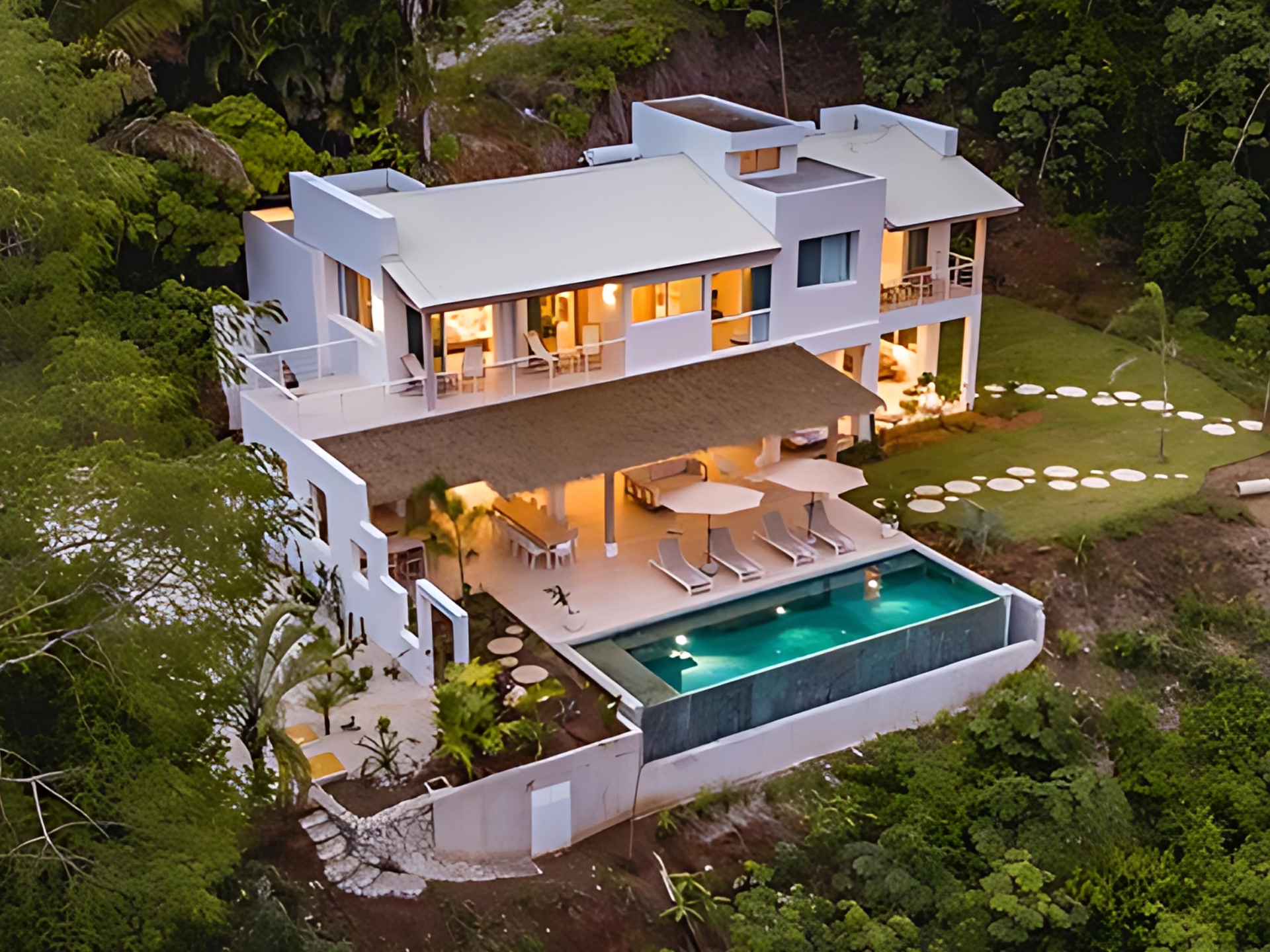
Sámara vs Playa Carrillo for Rental Investment
Sámara and Playa Carrillo are close geographically but offer different investment characteristics.
Sámara generally provides a more active town environment, with restaurants, services, accommodation infrastructure and established visitor demand. Playa Carrillo is quieter and less developed, which can appeal to visitors looking for privacy, beach access and a more relaxed coastal environment.
That difference can influence rental strategy, property management requirements and resale demand. Buyers should therefore evaluate each property according to its actual location rather than treating the entire area as one uniform market.
Coldwell Banker Sámara's current inventory includes both Sámara and Playa Carrillo properties, giving investors an opportunity to compare the two markets directly.
Explore current Sámara properties or browse current land opportunities before deciding which location best fits your investment strategy.
Ongoing Management and Owner Responsibilities
Rental property ownership is not entirely passive, even with professional management. You will need to approve major repairs, review financial statements, adjust pricing strategies seasonally, monitor online reviews, refresh furnishings periodically and maintain compliance with local tax filings and corporate obligations.
Plan to visit your property at least once per year. In-person inspections reveal maintenance issues that photos and reports miss, and spending time in the community keeps you informed about infrastructure changes, new competition and shifts in traveller preferences.
Many owners establish relationships with trusted local contacts: a handyman for minor repairs, a lawyer for contract reviews, an accountant for tax matters and a property manager who acts as your eyes and ears. This network allows you to respond quickly when issues arise and maintain property condition without flying in for every decision.
Work With Local Sámara Market Knowledge
The strongest investment decision is not necessarily the property with the highest advertised rental potential. It is the property where the location, purchase price, rental demand, operating costs, legal structure, management requirements and resale prospects all make sense together.
Coldwell Banker Sámara's current inventory and client feedback provide buyers with a practical starting point for that process. The agency has current investment opportunities across homes, condos, land, multi-unit properties and hospitality assets, while its testimonials document experience assisting international buyers through purchases and sales in the Sámara and Playa Carrillo markets.
Learn more about Coldwell Banker Sámara, review the current inventory and use property-specific information to build a realistic investment model before making an offer.
Costa Rica's combination of legal transparency, strong tourism fundamentals and accessible property markets makes it an attractive rental-investment destination. Success depends on rigorous due diligence, realistic financial modelling, appropriate legal structures and active (though not day-to-day) involvement. Approach the market with patience, local expertise and a clear understanding of both opportunities and obligations, and rental property in Costa Rica can deliver steady income and long-term appreciation.
Ready to Compare Rental Investment Opportunities in Sámara?
If you are considering beachfront villas, condos, income-producing homes, multi-unit properties or development opportunities in Guanacaste, start with the actual inventory and then test each property against realistic rental assumptions.
Browse income-producing properties in Sámara
View current investment opportunities
Coldwell Banker Sámara
Costa Rica: +506 2656 0856
US: +1 814 500 3379